




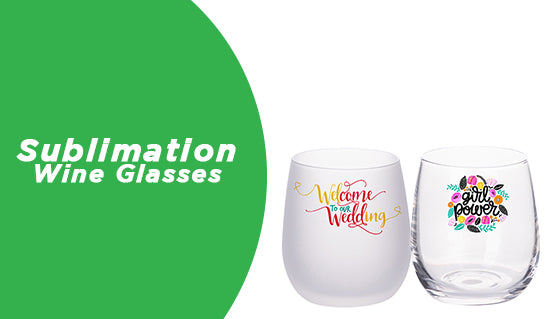




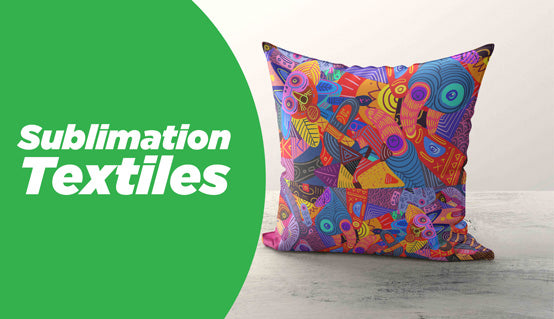


















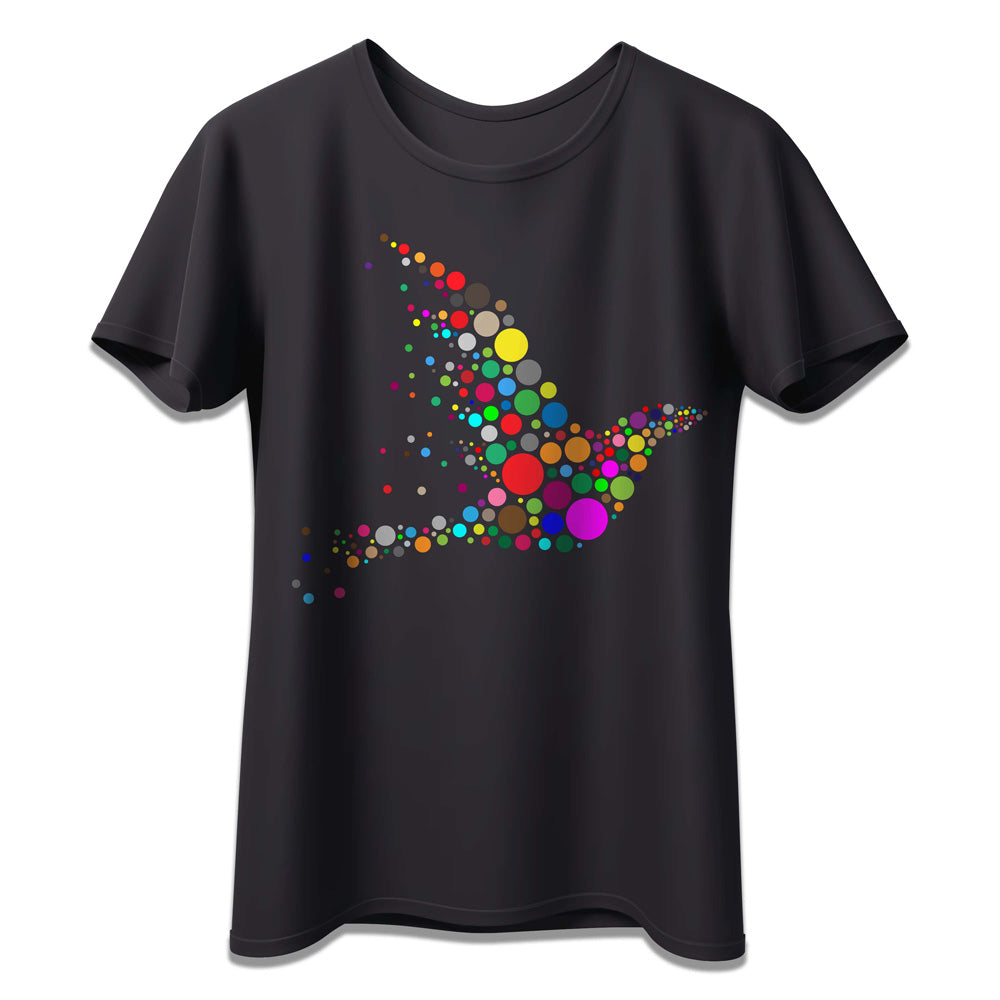
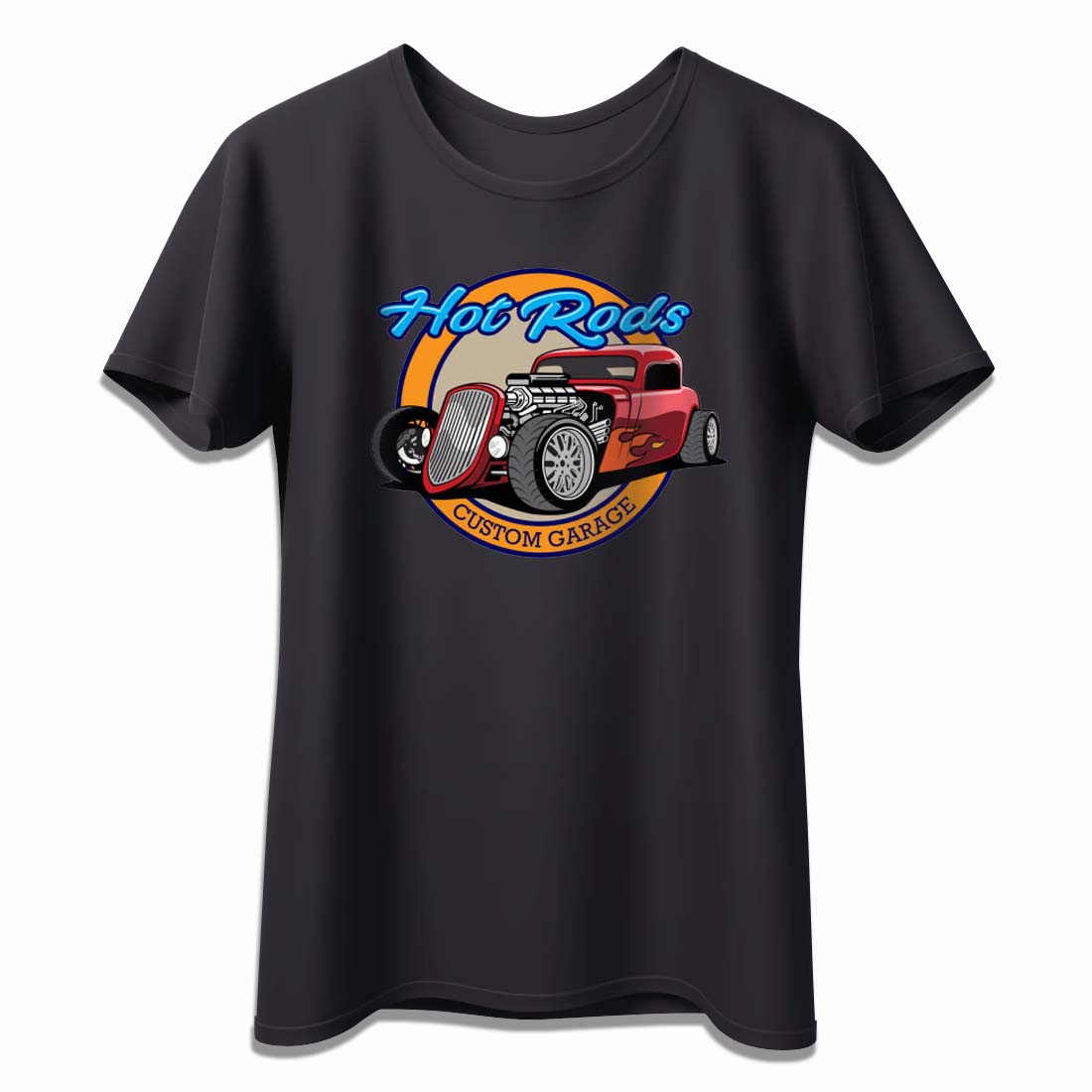
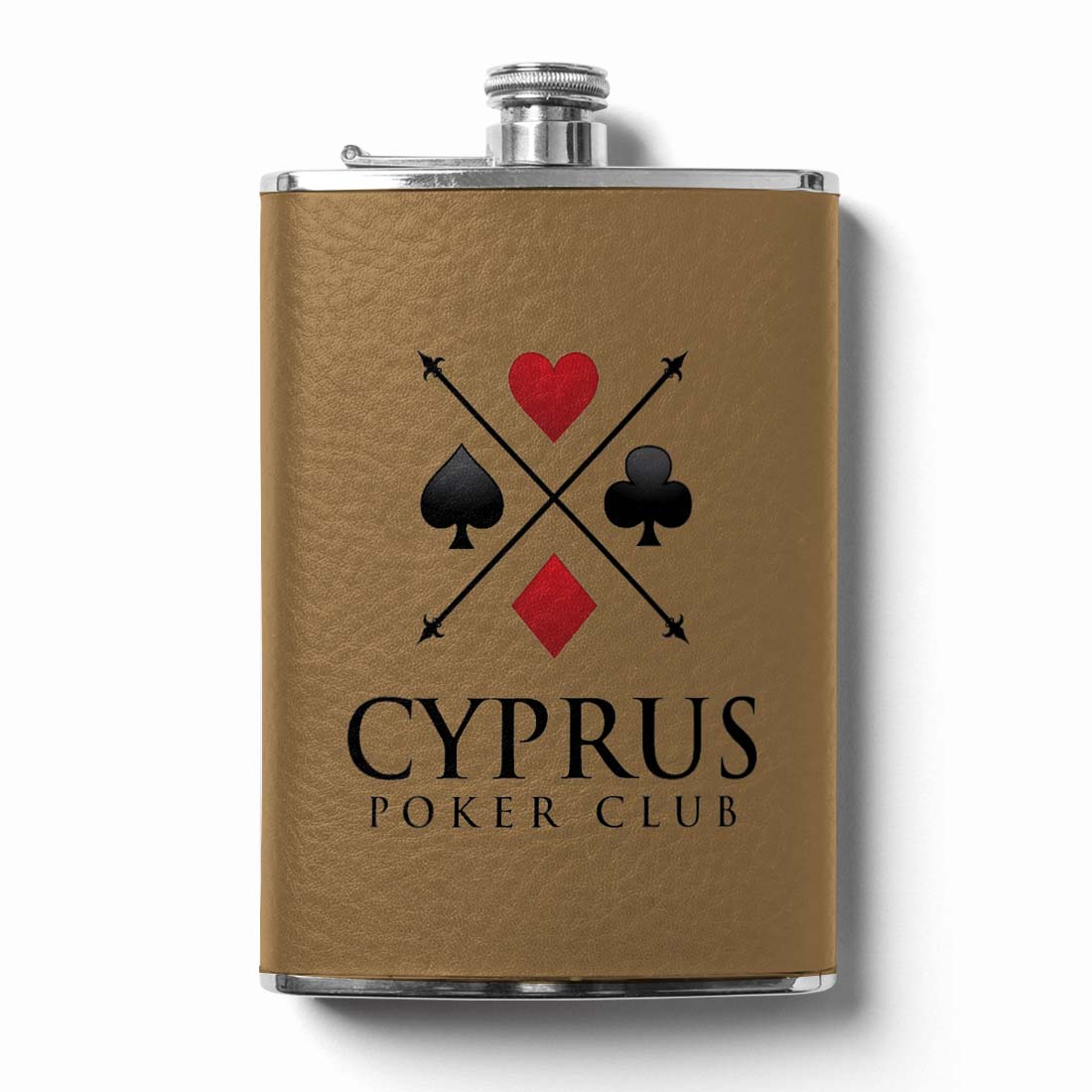

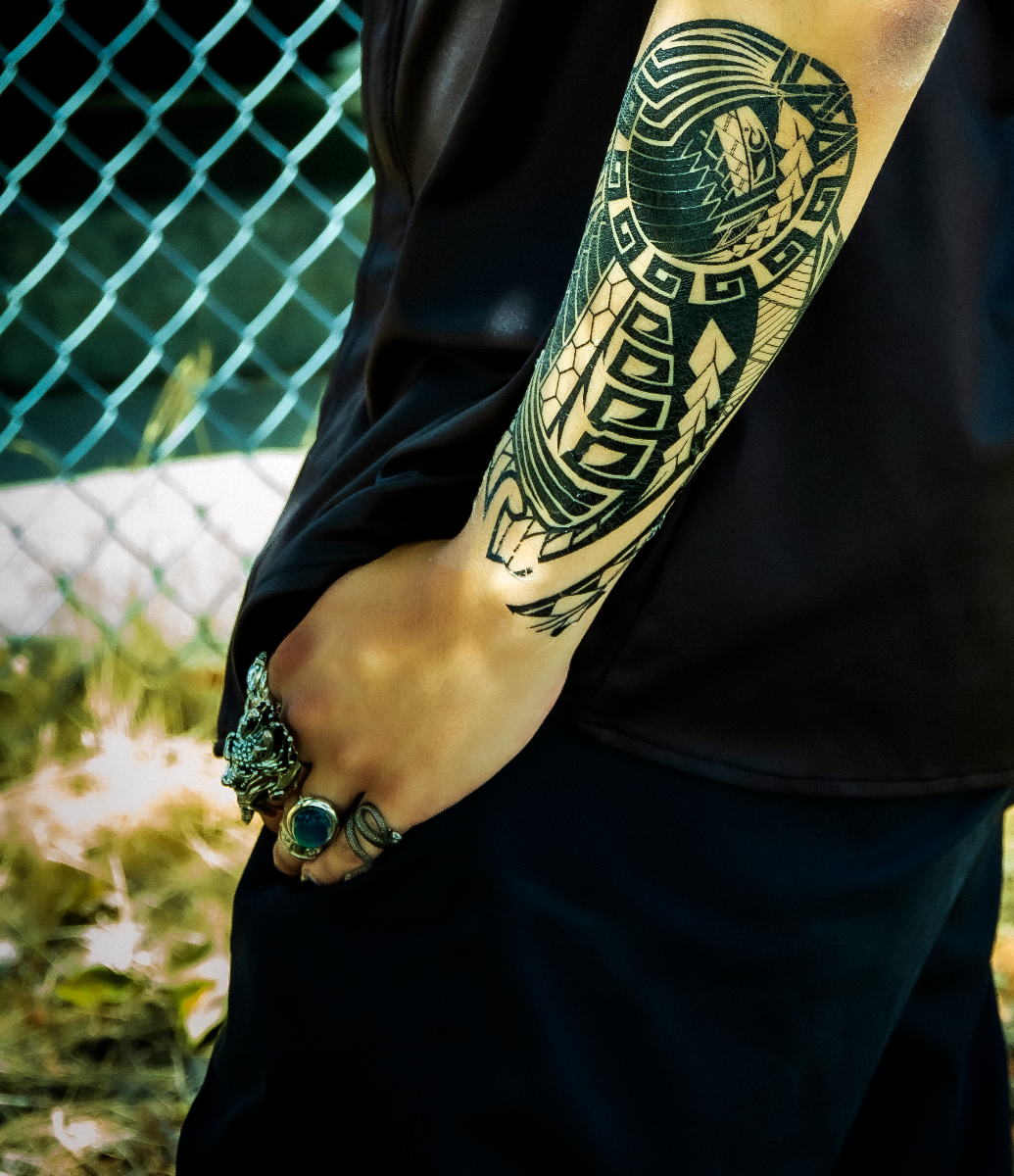
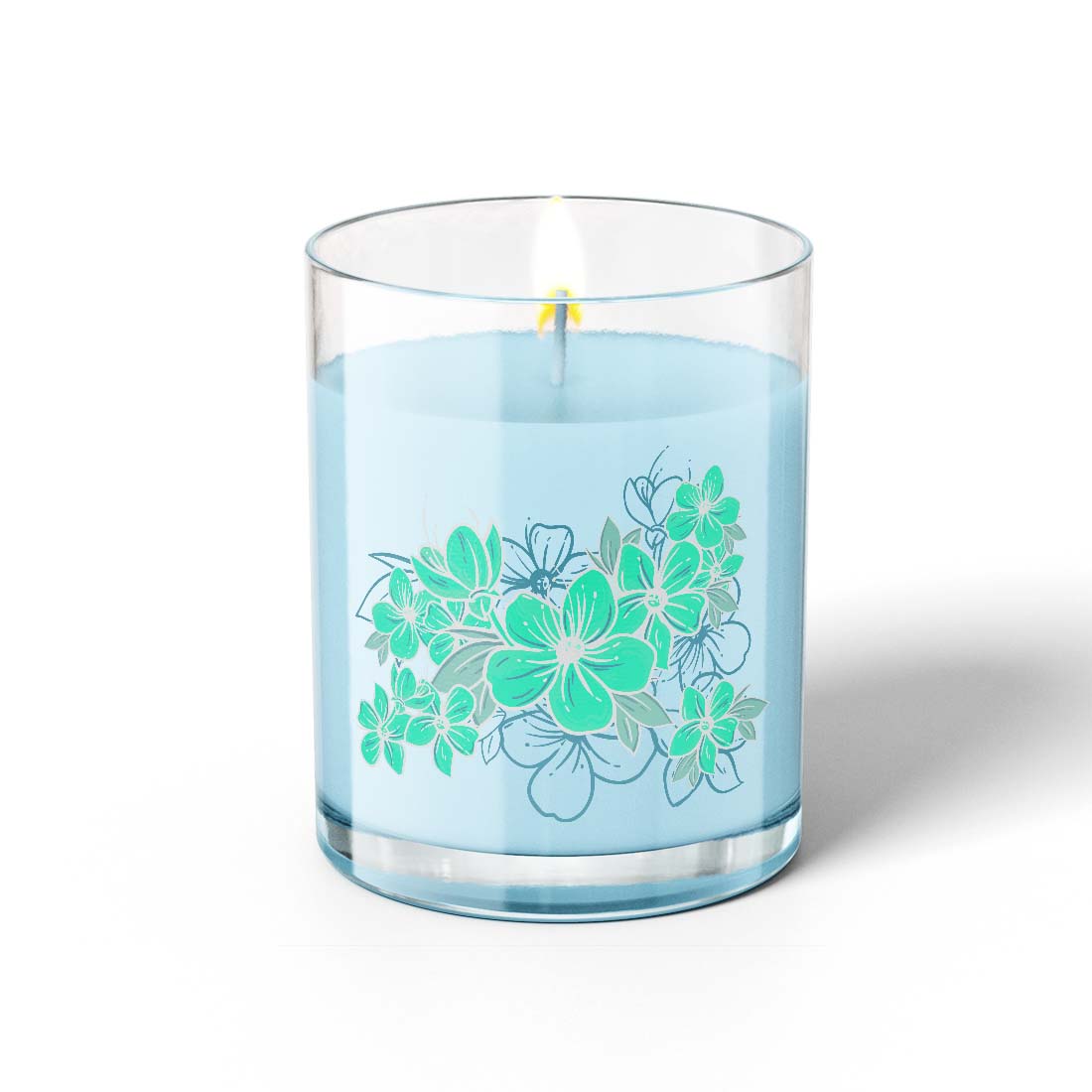

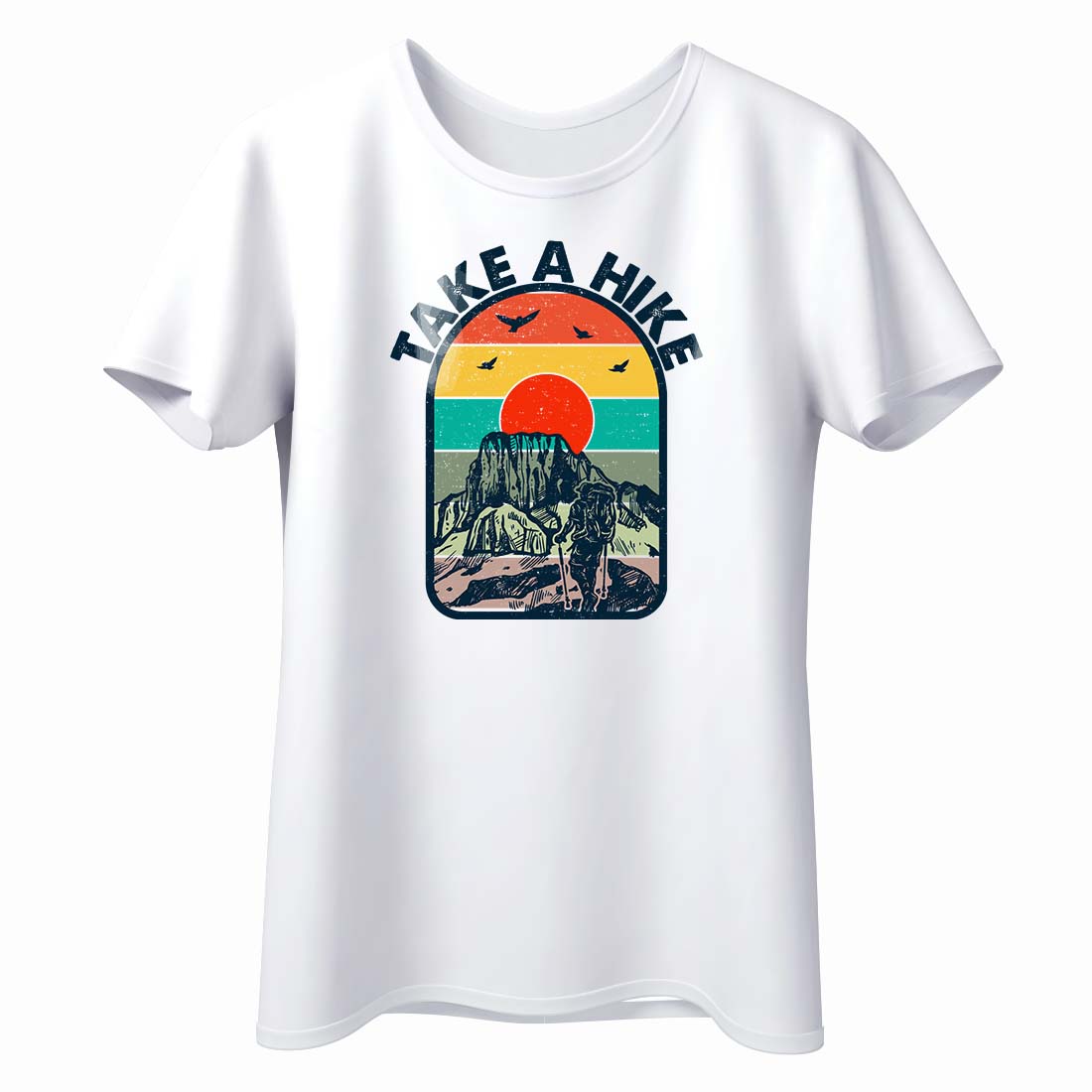













The demand for personalized products has grown rapidly in recent years. From custom mugs and tumblers to personalized apparel and photo panels, customers increasingly want products that are unique, vibrant, and long-lasting.
This shift has opened major opportunities for small businesses and print shops.
One of the most accessible and profitable technologies driving this trend is sublimation printing.
Sublimation allows businesses to produce high-quality, full-color designs on a wide range of products with relatively simple equipment. The process creates permanent prints that won’t crack, peel, or fade over time, making it ideal for items like mugs, polyester apparel, aluminum photo panels, and many other customized products.
For entrepreneurs, creators, and established print shops alike, sublimation printing offers a powerful combination of professional results, production flexibility, and strong profit potential.
In this guide, we’ll explain what sublimation printing is, how the process works, what products you can create with it, and why it has become one of the most popular printing methods for small and growing businesses.
What Is Sublimation Printing?

Sublimation printing is a digital printing method that uses heat and pressure to transfer dye directly into a material. Unlike traditional printing methods that place ink on top of a surface, sublimation permanently bonds the dye with the material itself.
The word sublimation refers to a physical process where a substance changes directly from a solid to a gas without passing through a liquid state. In sublimation printing, this transformation occurs when specialized inks are exposed to high temperatures.
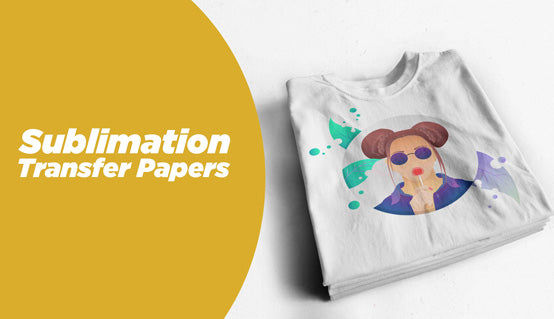
During the printing process, sublimation ink is first printed onto transfer paper. When the printed design is placed on a compatible material and heat is applied using a heat press, the ink turns into a gas. This gas penetrates the surface of the material and bonds with its fibers or polymer coating.
As the material cools, the dye solidifies inside the surface, creating a permanent, full-color image embedded in the product itself.
This process offers several important advantages over other decoration techniques. Because the dye becomes part of the material, sublimated prints do not crack, peel, or wash away. The results are vibrant, durable, and highly detailed.
Sublimation printing works best on polyester fabrics or specially coated hard surfaces. That is why many sublimation products include items like mugs, tumblers, aluminum photo panels, mousepads, phone cases, and polyester apparel.
For businesses that specialize in custom products, sublimation provides a flexible and efficient way to create professional-quality designs with minimal setup time.
How Sublimation Printing Works
Although the science behind sublimation involves chemistry and phase changes, the practical process used by businesses is straightforward. Most sublimation workflows follow four main steps.
Step 1: Print the Design
The process begins with a digital design created using graphic software such as Adobe Illustrator, Photoshop, CorelDRAW, or similar tools.
The design is printed using sublimation ink on specialized sublimation transfer paper. Unlike regular inkjet printing, sublimation inks are formulated to transform into gas when exposed to heat.
At this stage, the printed design may appear slightly dull or washed out on the transfer paper. This is normal. The colors become fully vibrant only after the heat transfer process is completed.
Step 2: Position the Transfer on the Product
Once the design is printed, the transfer paper is placed onto the product that will receive the design. This product is often called a sublimation blank.
Common blanks include mugs, tumblers, polyester shirts, tote bags, aluminum panels, and many other coated items designed specifically for sublimation printing.
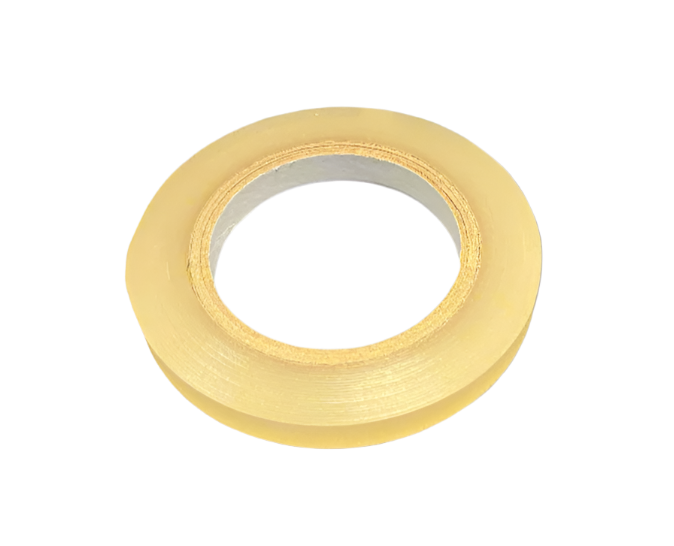
To prevent movement during the pressing process, the transfer paper is typically secured using heat-resistant tape or positioning tools.
Step 3: Apply Heat and Pressure
The product and transfer paper are then placed inside a heat press machine. The press applies controlled heat and pressure for a specific amount of time.
Typical sublimation temperatures range between 380°F and 400°F (193°C–204°C) depending on the material.
During this stage, the sublimation ink rapidly heats up and changes from a solid into a gas.
Step 4: The Ink Bonds With the Material
As the ink turns into gas, it penetrates the polyester fibers or polymer coating of the blank product. When the heat press opens and the material cools, the dye solidifies within the surface.
The result is a permanent, high-resolution image embedded into the product, rather than sitting on top of it.
This is why sublimation prints are known for their durability and vibrant colors. The design becomes part of the product itself, allowing it to resist cracking, peeling, and fading even after repeated washing or use.
What Products Can You Create With Sublimation?

One of the reasons sublimation printing has become so popular is the wide variety of products it can be used to customize. Businesses can produce everything from promotional items and corporate gifts to personalized consumer products.
This flexibility allows print shops and entrepreneurs to serve many different markets, including corporate branding, personalized gifts, event merchandise, and ecommerce products.
Some of the most popular sublimation products include:
Mugs and Drinkware
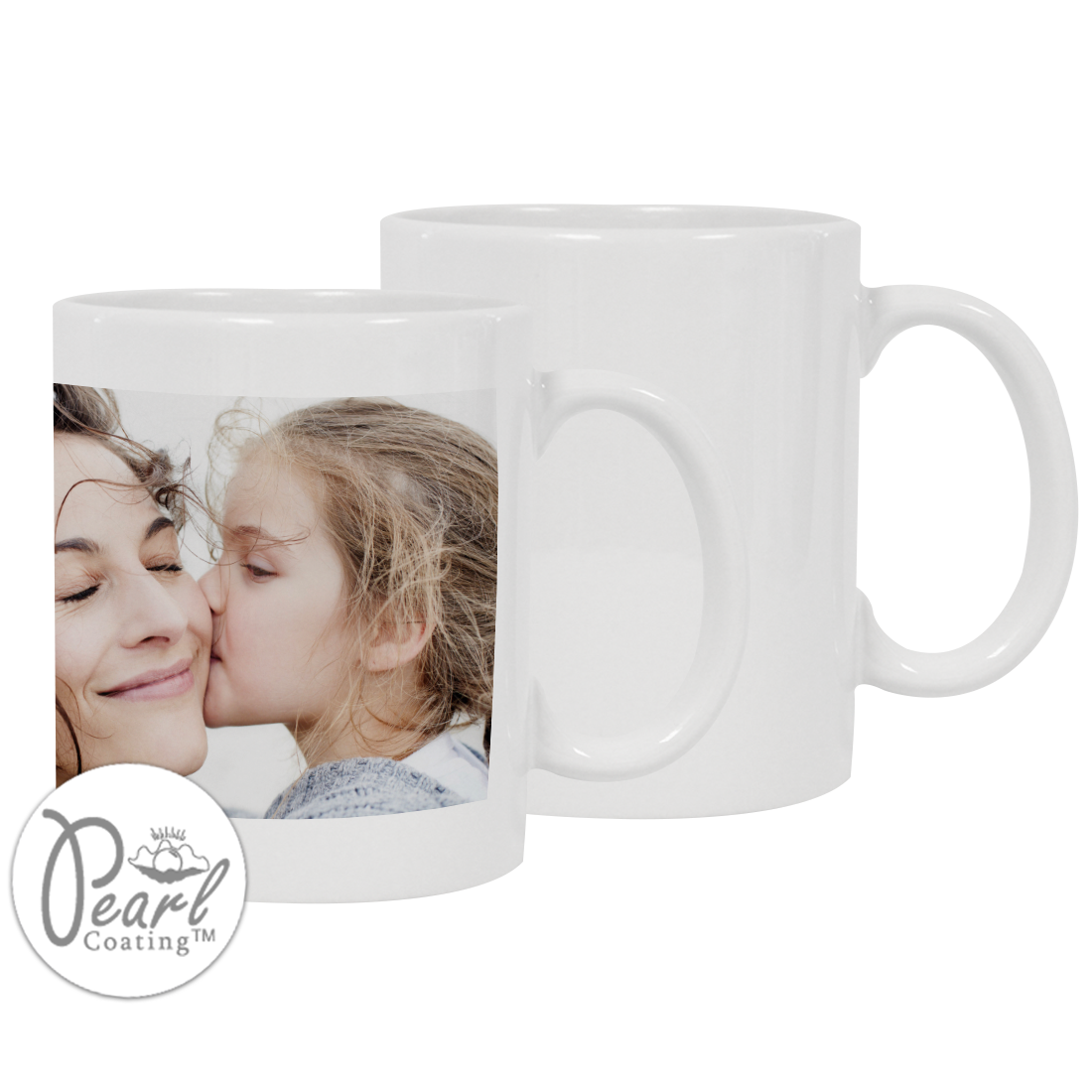
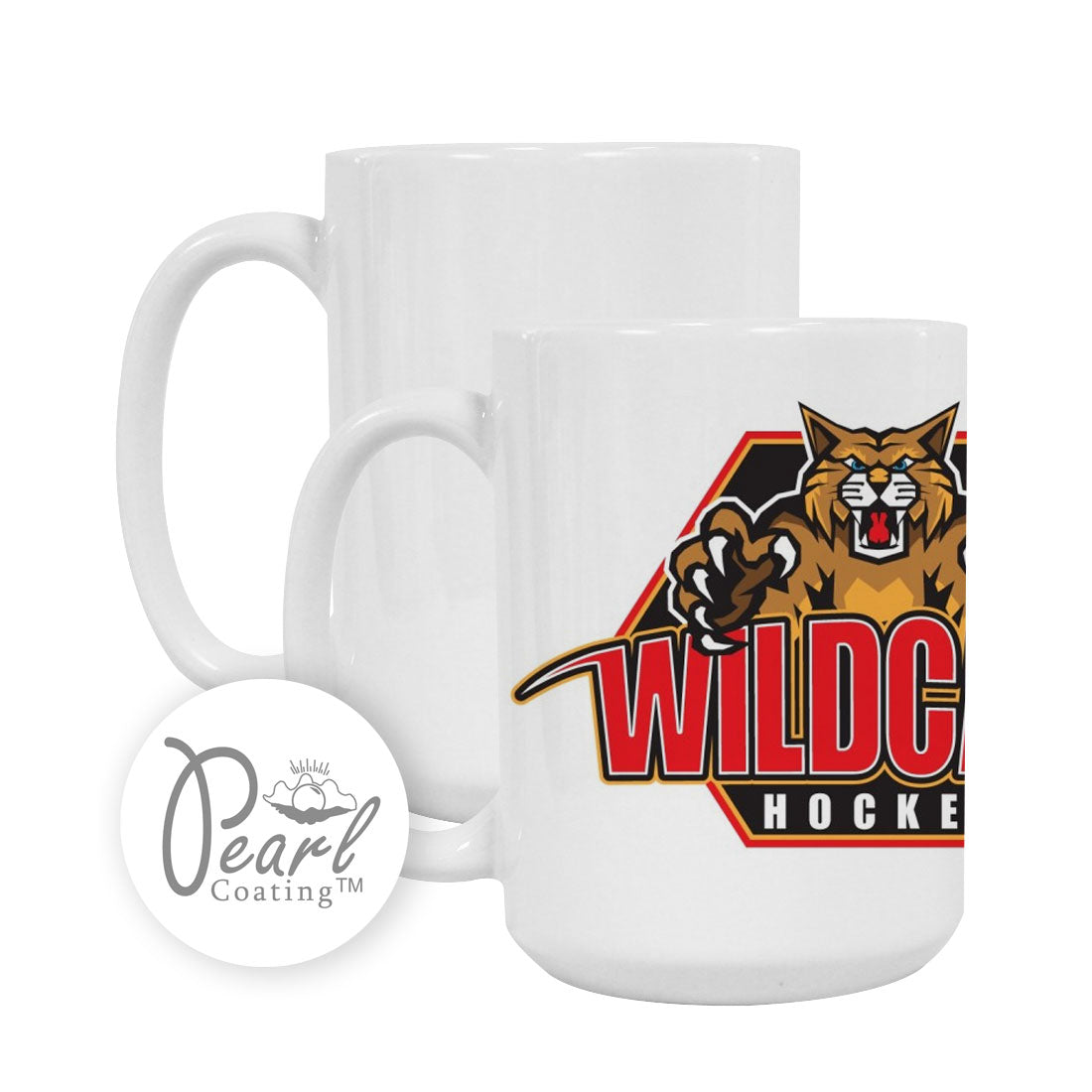
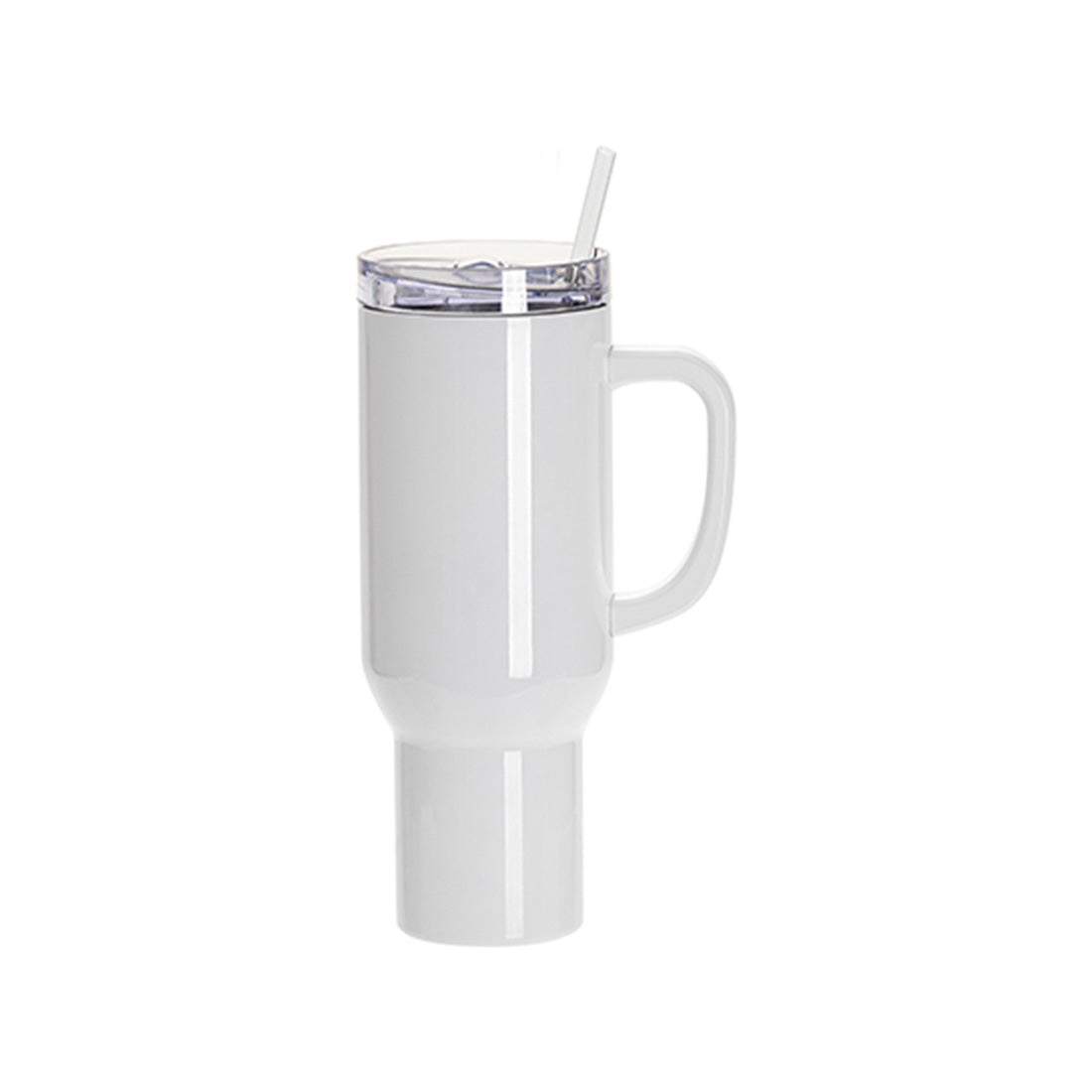
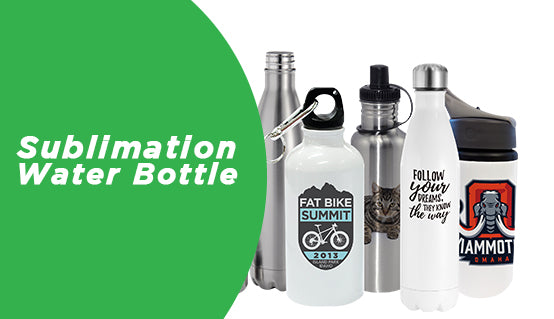
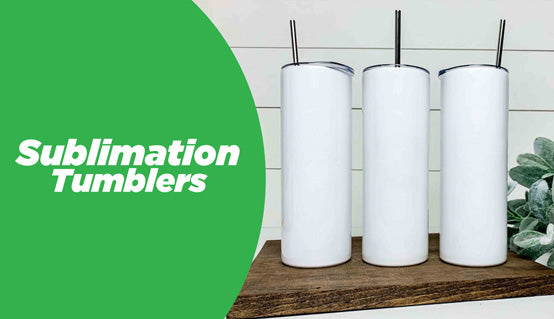
Custom mugs remain one of the most in-demand sublimation products. Businesses can easily produce personalized coffee mugs, travel mugs, and stainless steel tumblers for corporate gifts, promotional merchandise, and retail sales.
Apparel
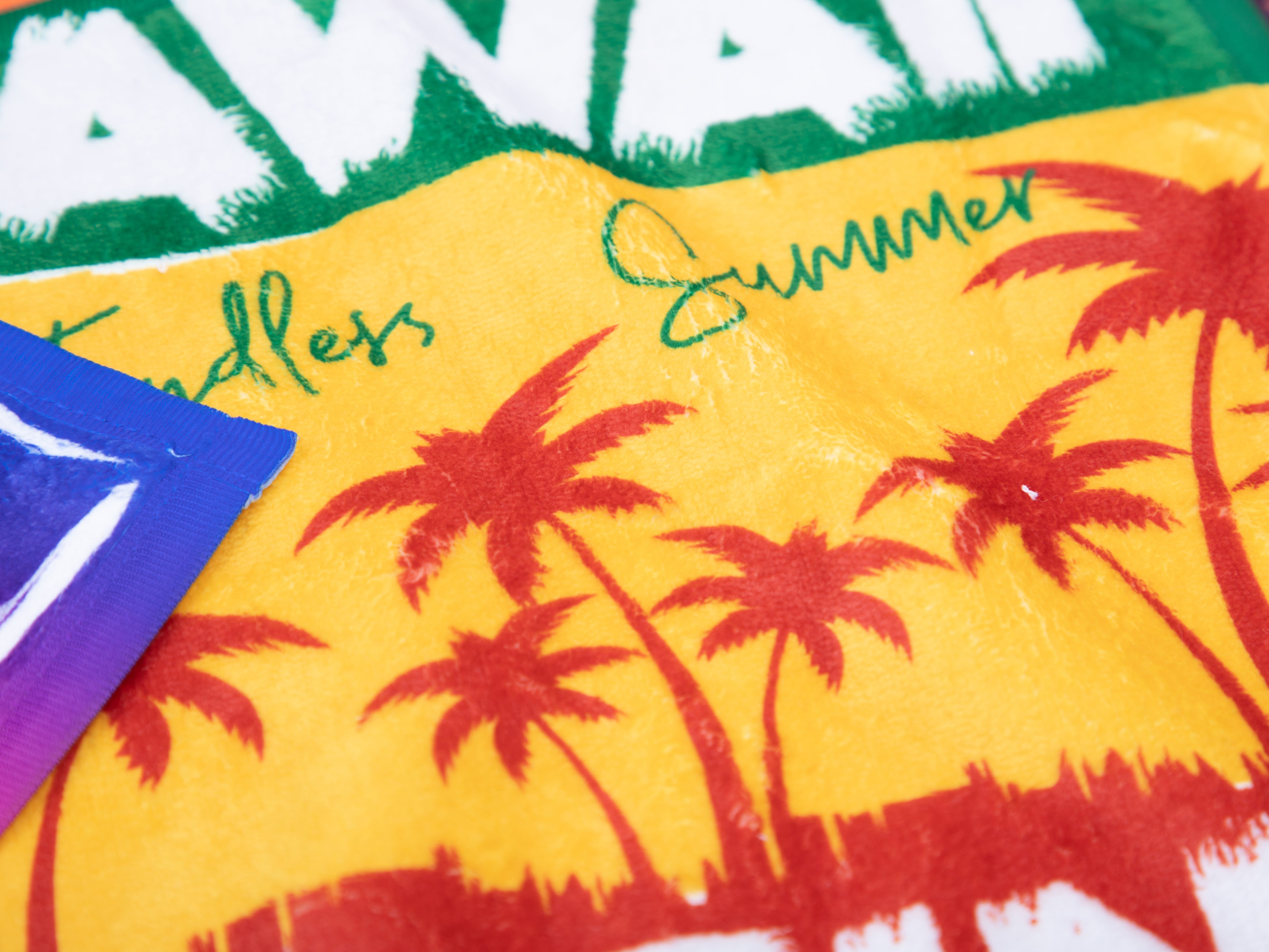
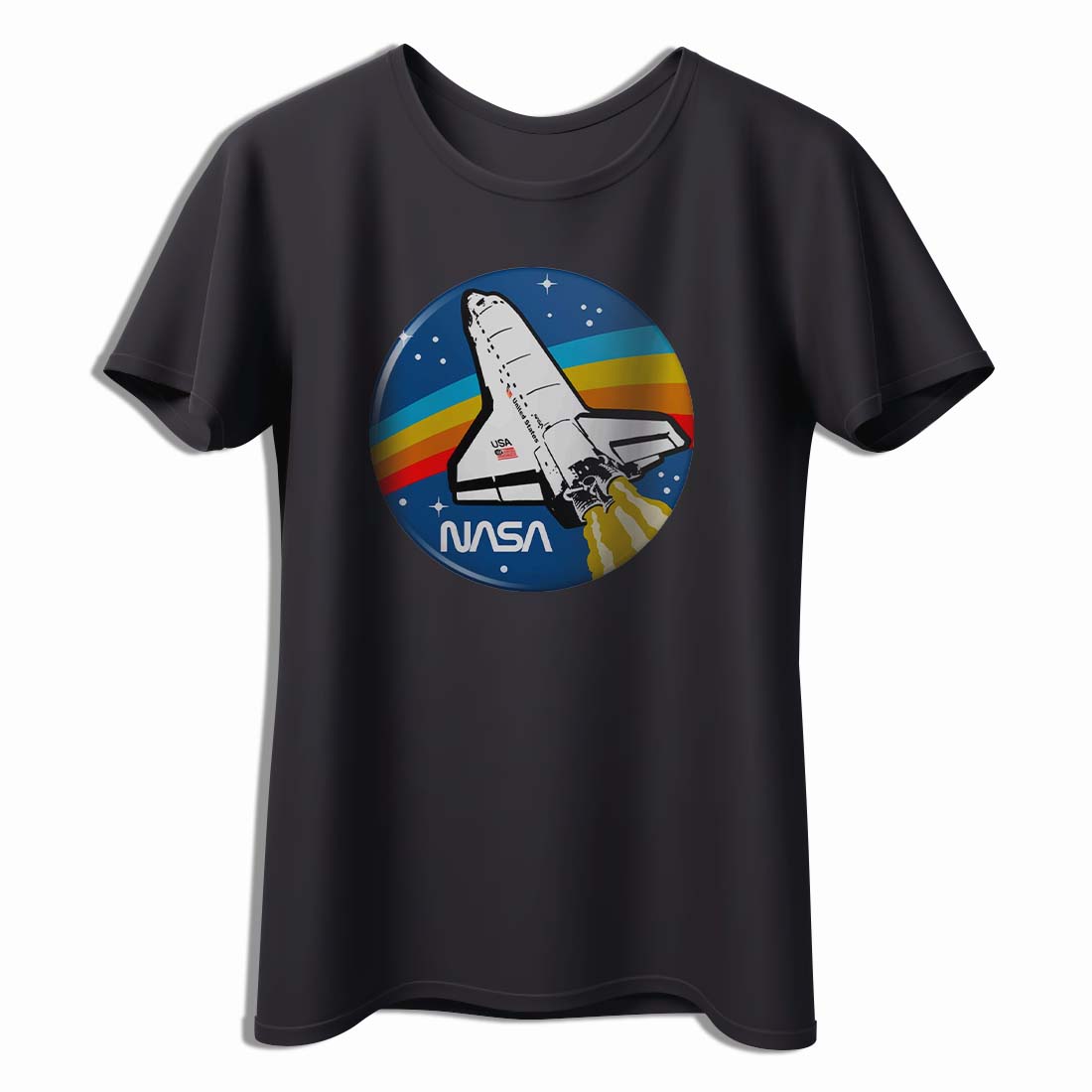
Sublimation works exceptionally well on polyester fabrics. This makes it ideal for printing:
- sports jerseys
- performance shirts
- custom apparel
- branded uniforms
Because the ink bonds with the fibers of the fabric, the design becomes part of the garment rather than sitting on top of it.
Aluminum Photo Panels
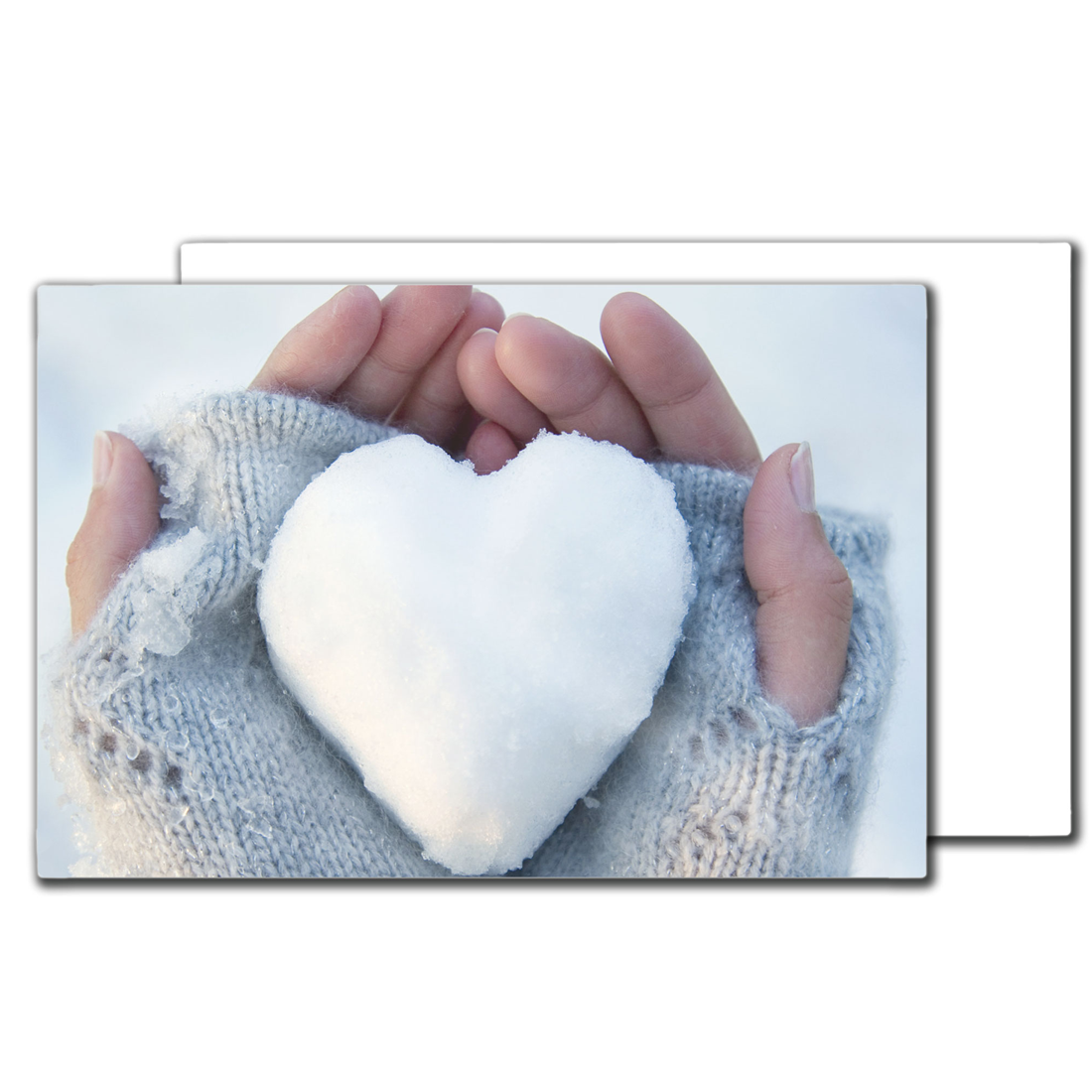
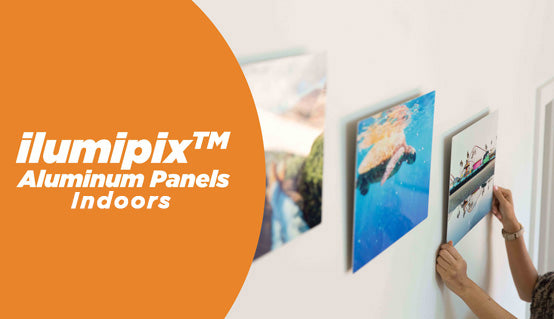
Aluminum photo panels are widely used for professional photography prints, wall art, and home décor. Sublimation allows photographers and artists to create vivid, high-resolution prints with excellent durability.
Tote Bags and Accessories
Polyester tote bags, cosmetic bags, and other accessories can also be customized using sublimation printing. These products are popular for promotional giveaways and retail merchandise.
Personalized Gifts
Many small businesses use sublimation to produce customized gifts such as:
- phone cases
- mousepads
- puzzles
- keychains
- ornaments
Because sublimation works well with full-color graphics and photographs, it is ideal for creating highly personalized products.
This variety of printable items gives businesses significant flexibility when deciding which markets to serve. Many successful sublimation businesses focus on a specific niche, such as sports teams, personalized gifts, corporate branding, or ecommerce merchandise.
Materials That Work for Sublimation Printing
Although sublimation printing is extremely versatile, it only works on certain types of materials.
Understanding which materials are compatible with the process is essential for producing high-quality results.
Polyester Fabrics
Sublimation printing works best on polyester fabrics. The dye bonds with the synthetic fibers, creating a permanent image embedded within the material.
This is why sublimation is widely used in industries such as:
- sports apparel
- athletic uniforms
- performance clothing
- custom fashion products
Higher polyester content generally produces better results. For example, a 100% polyester shirt will produce more vibrant prints than a fabric blend that contains a large percentage of cotton.
Polymer-Coated Hard Surfaces
Sublimation can also be used on hard surfaces that have been treated with a special polymer coating. This coating allows the sublimation dye to bond with the surface when heat is applied.
Common sublimation blanks include:
- ceramic mugs
- stainless steel tumblers
- aluminum photo panels
- coated phone cases
- ceramic tiles
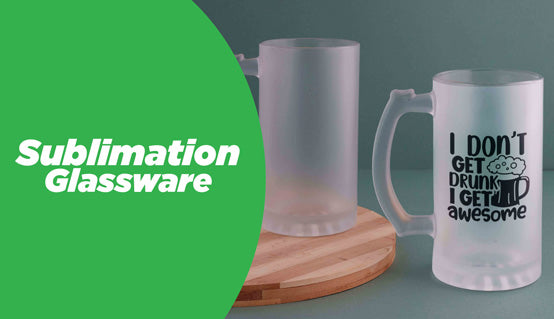
- glass panels
These products are manufactured specifically for sublimation printing and are widely available through suppliers that specialize in sublimation materials.
Why Sublimation Doesn’t Work on Cotton
One of the most common questions beginners ask is whether sublimation works on cotton fabrics.
The short answer is no.
Cotton fibers do not chemically bond with sublimation dye in the same way polyester does. Without polyester fibers or a polymer coating, the sublimation ink cannot properly attach to the material.
For businesses interested in printing on cotton garments, other decoration methods such as DTF printing or heat transfer vinyl may be more suitable.
Understanding these material limitations helps businesses choose the right products for their sublimation workflow and avoid common printing issues.
Advantages of Sublimation Printing
Sublimation printing offers several advantages that make it particularly attractive for small businesses and print shops.
These benefits explain why sublimation has become one of the fastest-growing methods for producing customized products.
Vibrant, Full-Color Prints
Sublimation is capable of producing highly detailed, full-color images, including gradients and photographic designs. Because the dye becomes part of the material itself, the colors appear bright and vivid.
This makes sublimation especially effective for products that feature photos, complex graphics, or colorful artwork.
Permanent and Durable Designs
Unlike some other decoration methods, sublimated images do not sit on top of the material.
Instead, the dye bonds with the fibers or coating of the product. This means the design will not crack, peel, or fade over time.
For apparel, this durability is particularly important. Sublimated garments maintain their color and quality even after repeated washing.
No Minimum Order Quantities
Many traditional printing methods require large production runs to be cost-effective. Sublimation printing, however, is ideal for short production runs or even single items.
This makes it perfect for:
- personalized gifts
- print-on-demand businesses
- custom ecommerce products
- small batch merchandise
Businesses can produce individual orders without needing large inventories or minimum quantities.
Fast Production Workflow
Sublimation also offers a relatively simple and efficient production process. Once the equipment is set up, printing and pressing can be completed quickly.
This allows businesses to produce orders rapidly and scale production as demand grows.
Ideal for Small Businesses
Because sublimation printing does not require complex setup procedures like screen printing, it is particularly accessible for entrepreneurs and small businesses.
With the right equipment and materials, a sublimation business can begin producing professional-quality products with a relatively modest initial investment.
Why Sublimation Printing Is Great for Small Businesses
For many entrepreneurs and print shop owners, sublimation printing represents one of the easiest ways to enter the custom products industry.
Unlike traditional decoration methods such as screen printing, sublimation does not require complex setup processes, large equipment investments, or high minimum order volumes.
This makes it particularly attractive for small businesses, home-based operations, and ecommerce entrepreneurs.
Low Startup Costs
One of the biggest advantages of sublimation printing is the relatively low cost of getting started. Compared to other printing technologies, the required equipment is accessible and scalable.
A typical sublimation setup includes:
- a sublimation printer
- sublimation ink
- transfer paper
- a heat press
- compatible sublimation blanks
With this basic setup, businesses can begin producing professional-quality custom products without the need for large industrial equipment.
High Demand for Personalized Products
The market for personalized products continues to grow rapidly. Consumers increasingly want products that reflect their identity, hobbies, or special moments.
This demand creates opportunities in several markets, including:
- personalized gifts
- corporate merchandise
- sports team apparel
- event merchandise
- ecommerce stores
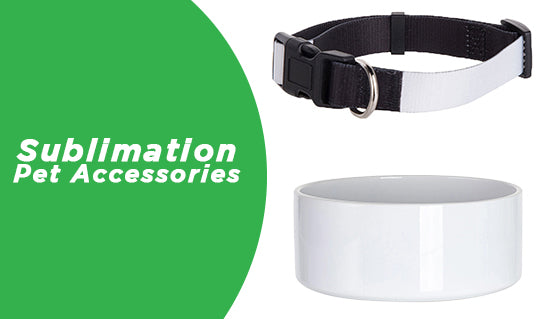
Many successful businesses focus on niche markets, such as custom pet products, wedding gifts, or branded company merchandise.
Flexible Production
Another major advantage of sublimation is its flexibility. Because designs are printed digitally, businesses can produce one item at a time or small batches without additional setup costs.
This flexibility is especially useful for:
- online stores
- custom orders
- personalized gifts
- print-on-demand models
Businesses can produce items only after they are ordered, reducing the need for inventory and minimizing financial risk.
Scalability
Sublimation businesses can start small and grow over time. As demand increases, production can be scaled by adding additional heat presses, printers, or staff.
This scalability makes sublimation printing an attractive option for entrepreneurs looking to build a long-term business in the personalization industry.
Equipment Needed for Sublimation Printing
Although sublimation printing is relatively simple to start, producing consistent results requires the right equipment and materials.
A standard sublimation workflow typically includes the following components.
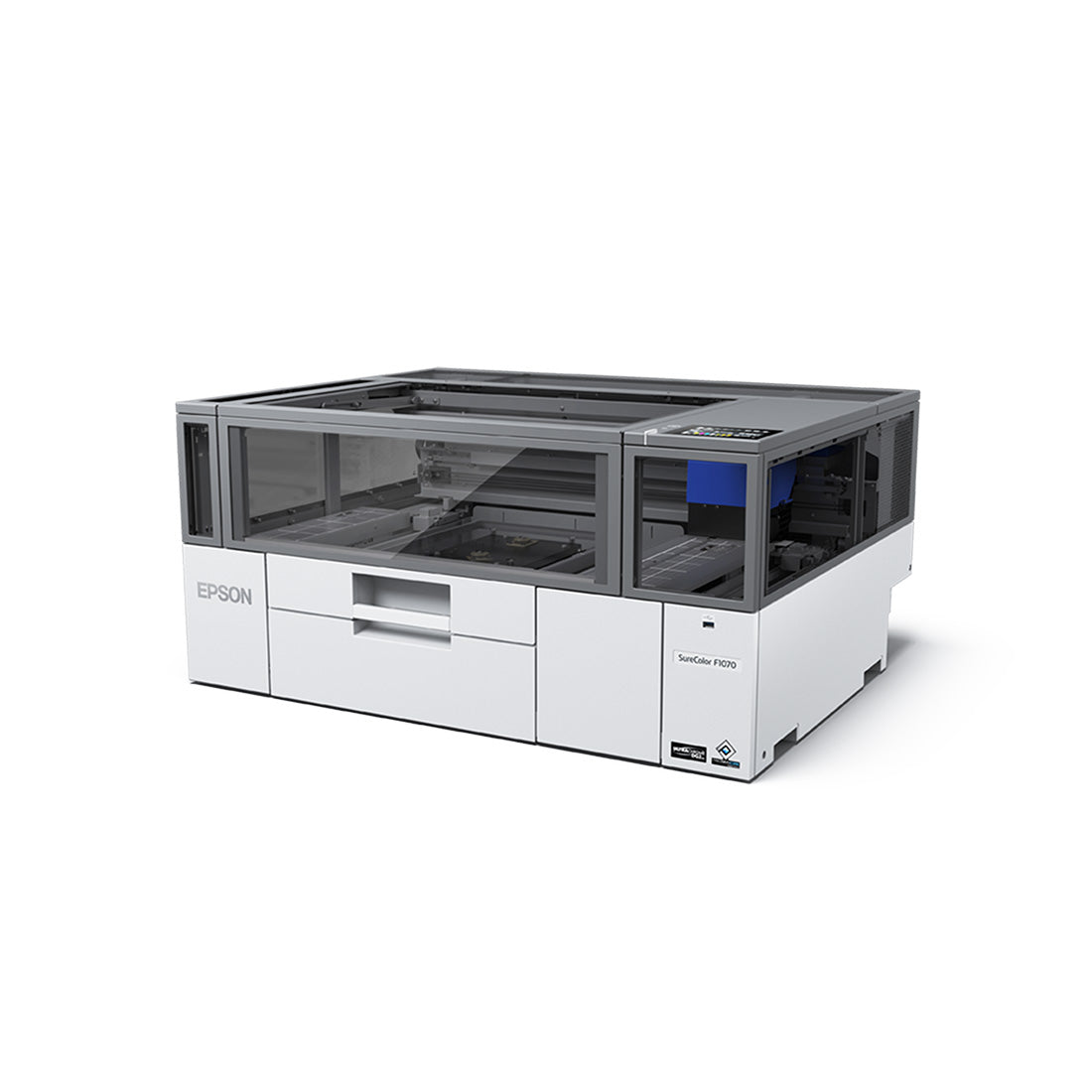
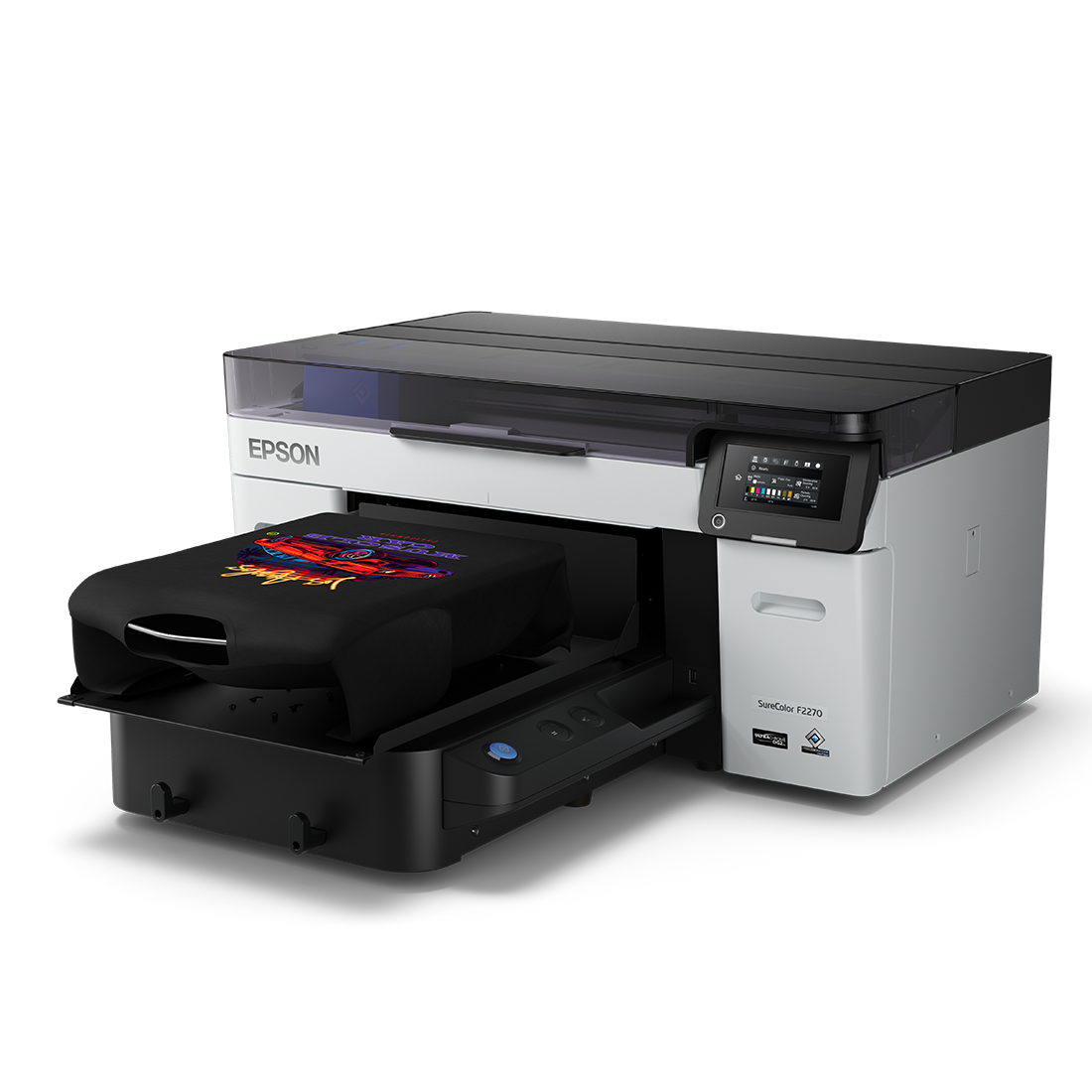
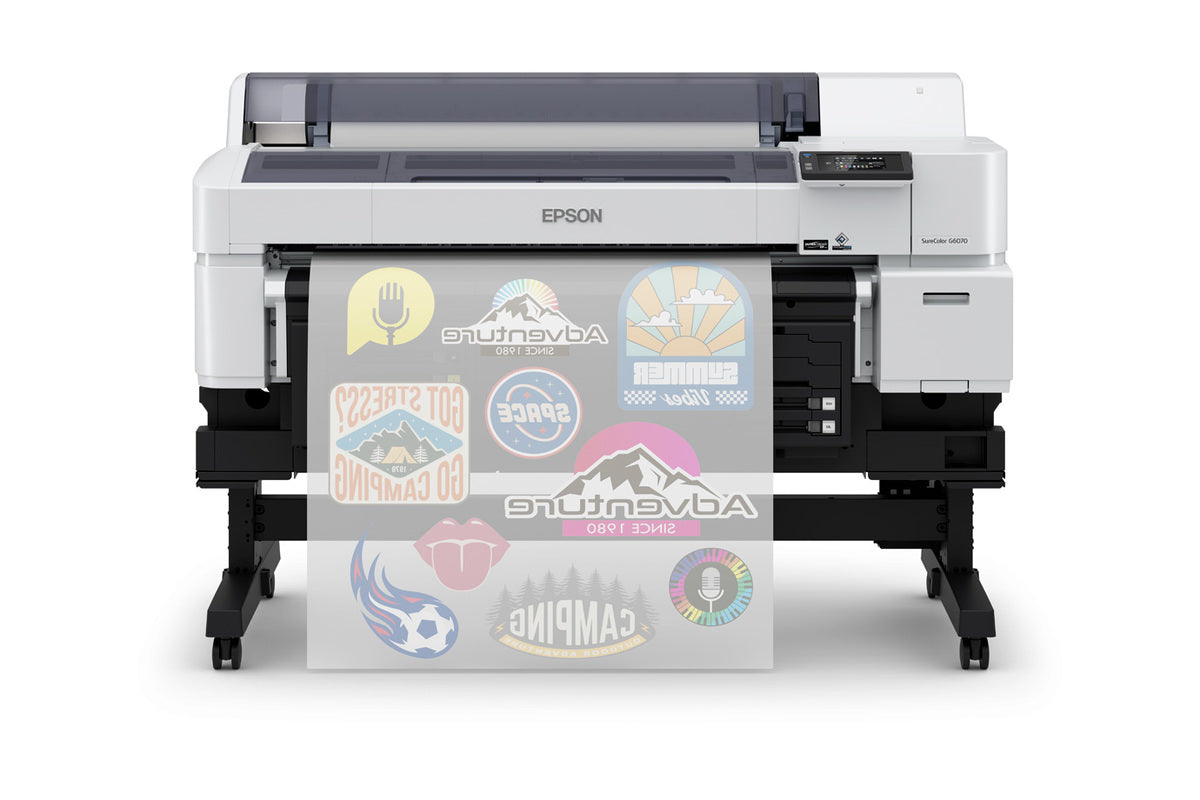
Sublimation Printer
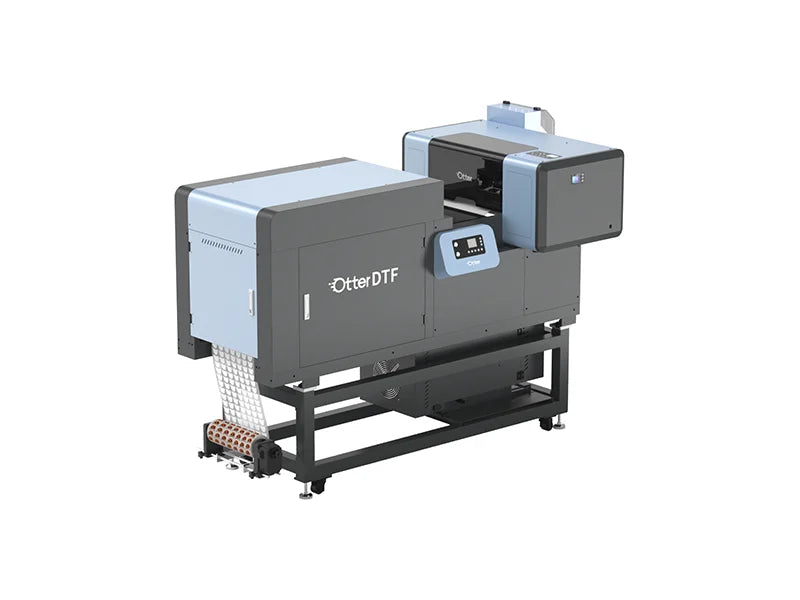
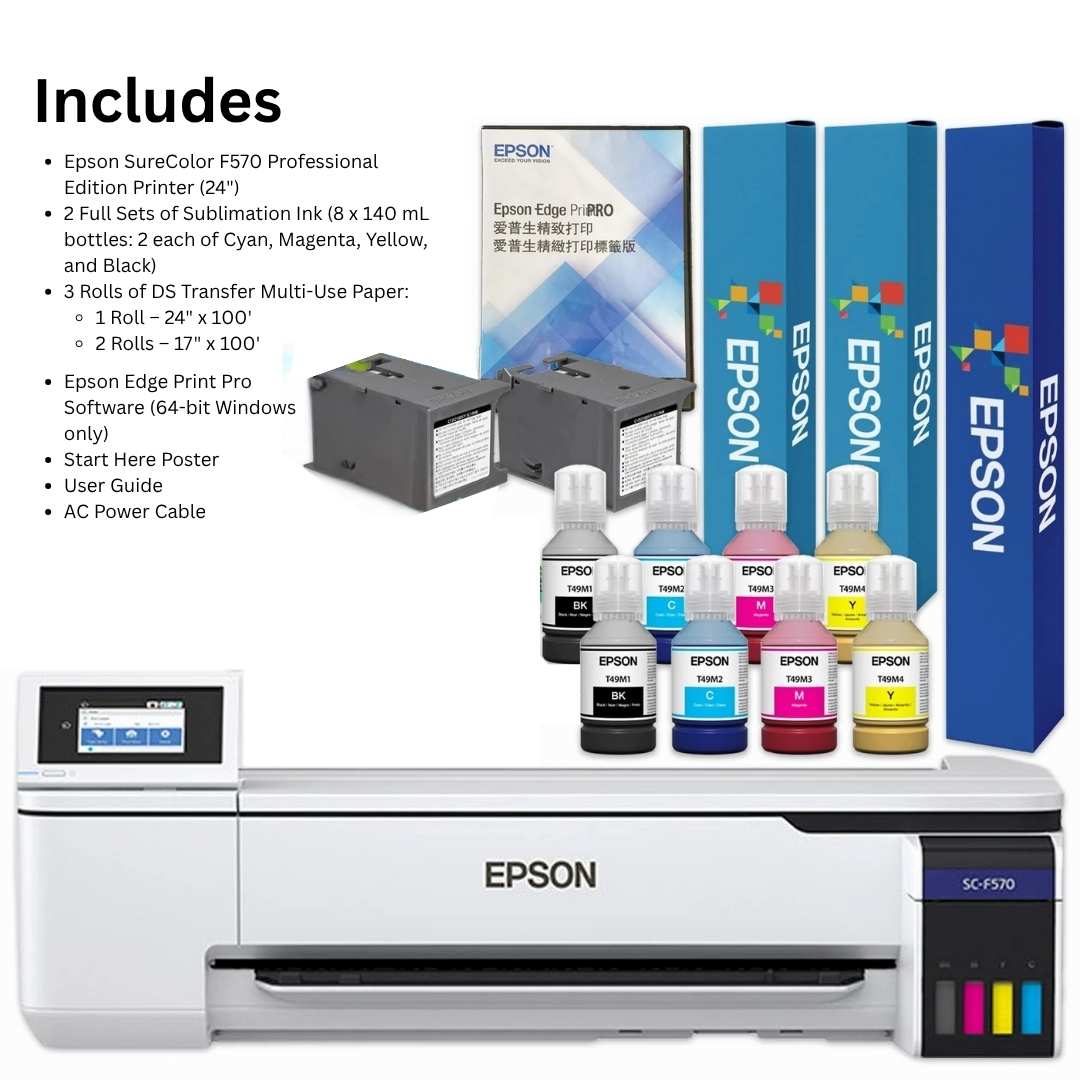
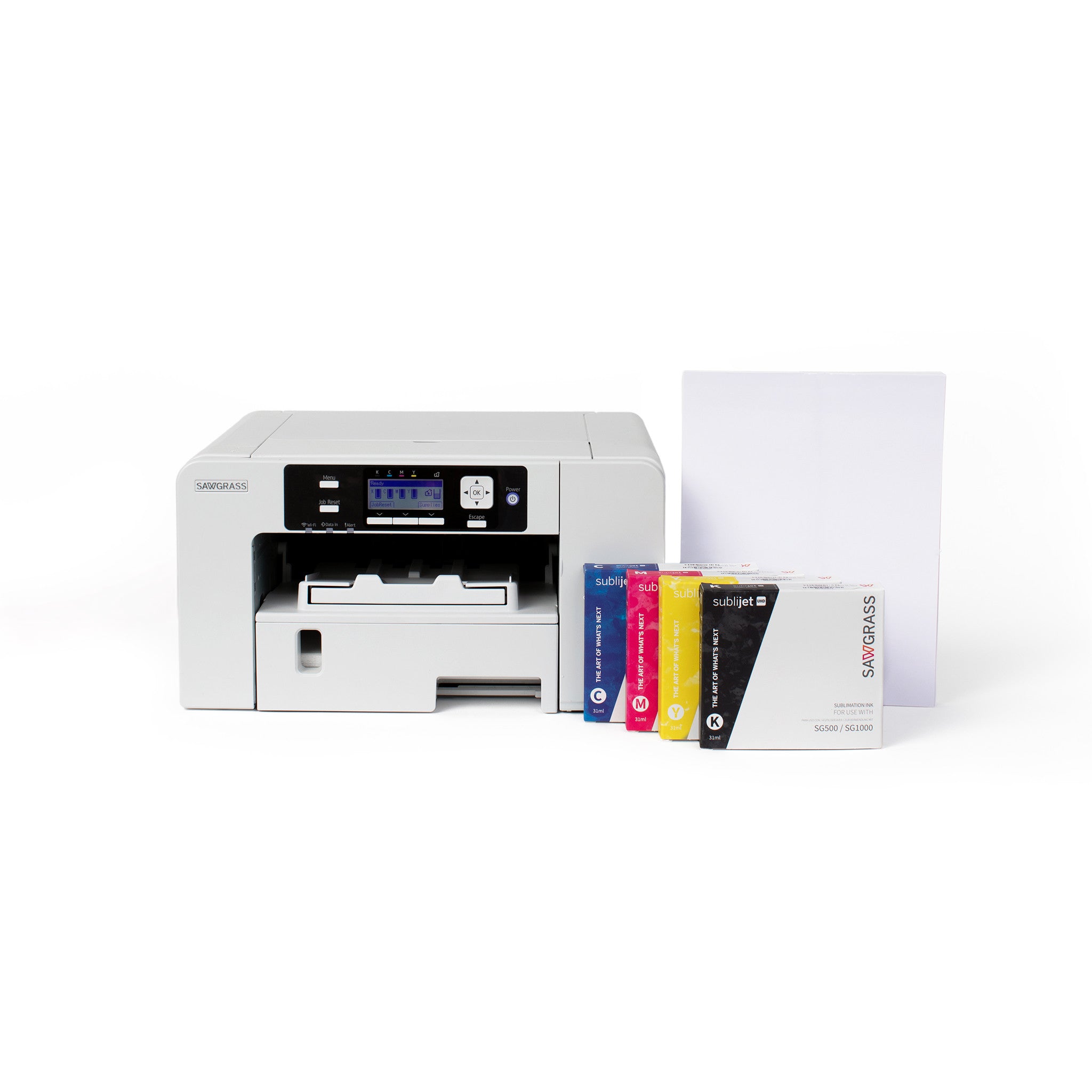
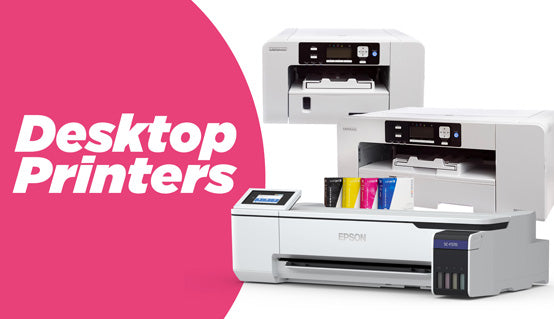
A sublimation printer is designed to work with specialized sublimation inks that transform into gas when heated.
These printers allow users to produce high-resolution designs that can be transferred onto sublimation blanks.
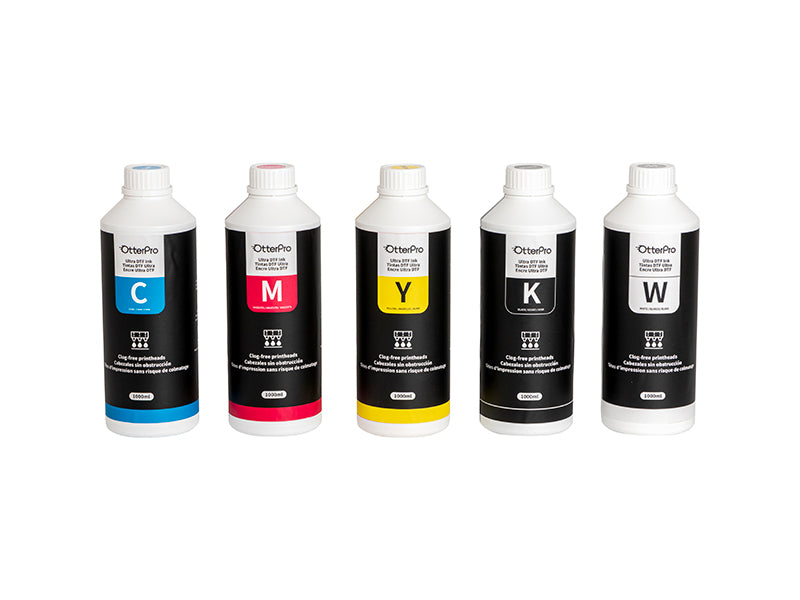
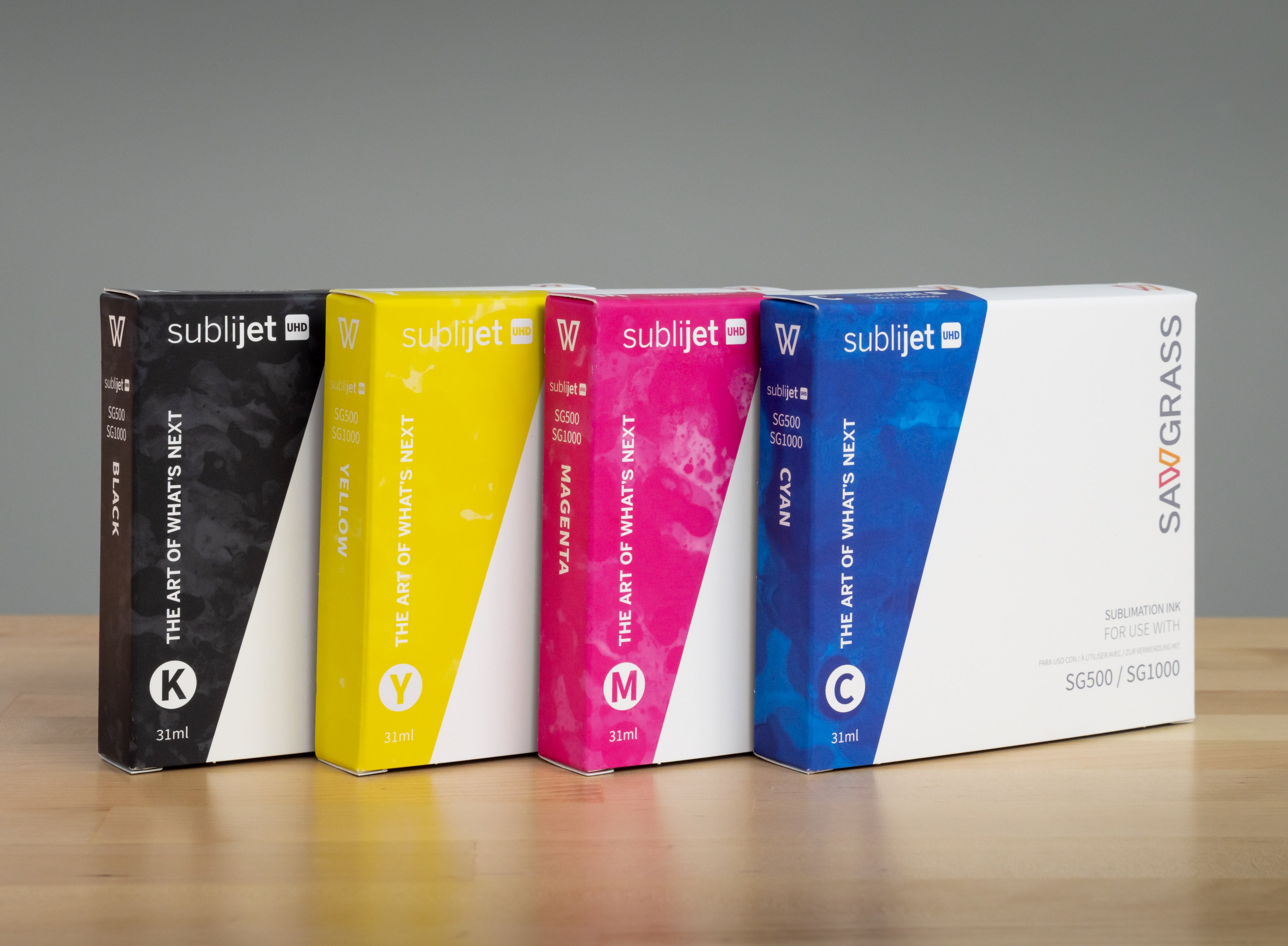
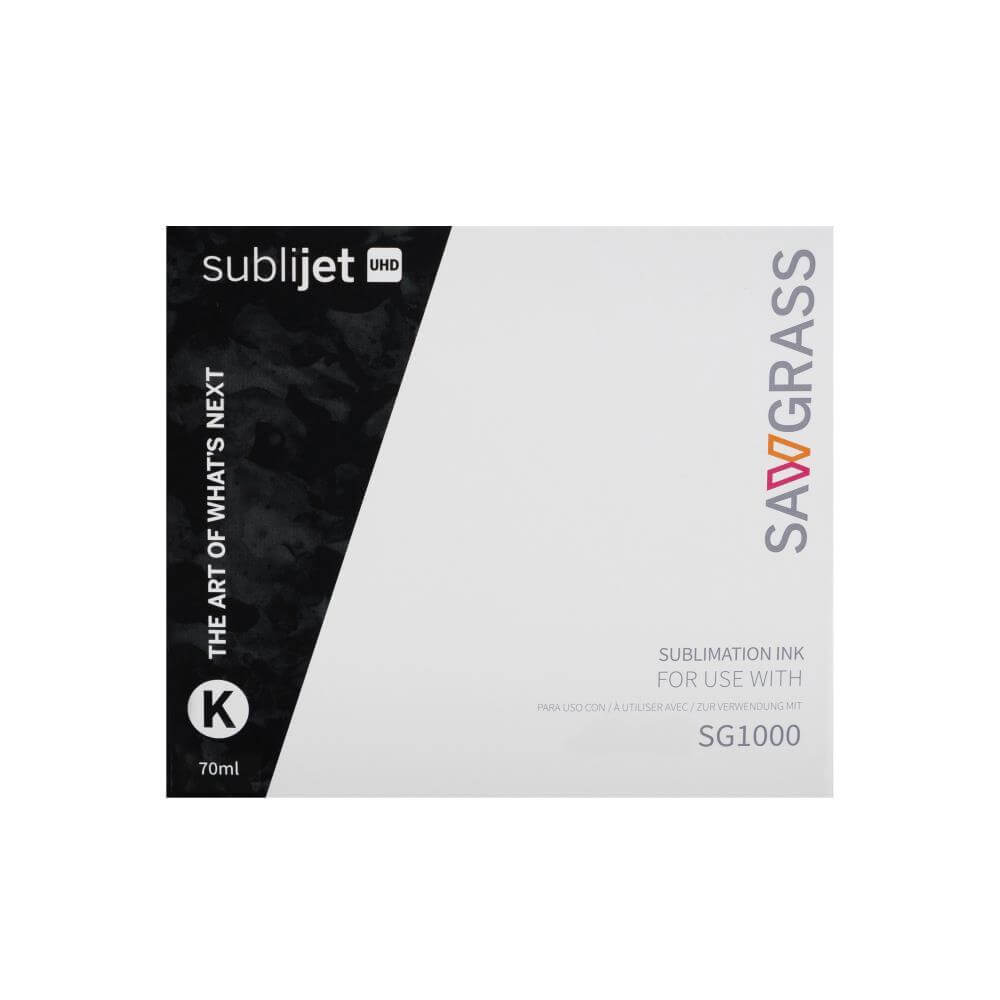
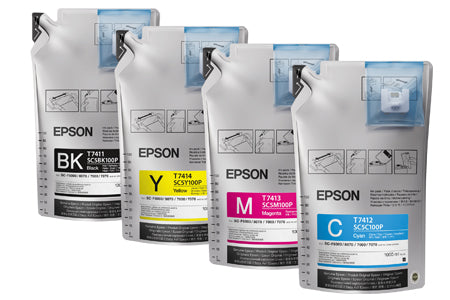
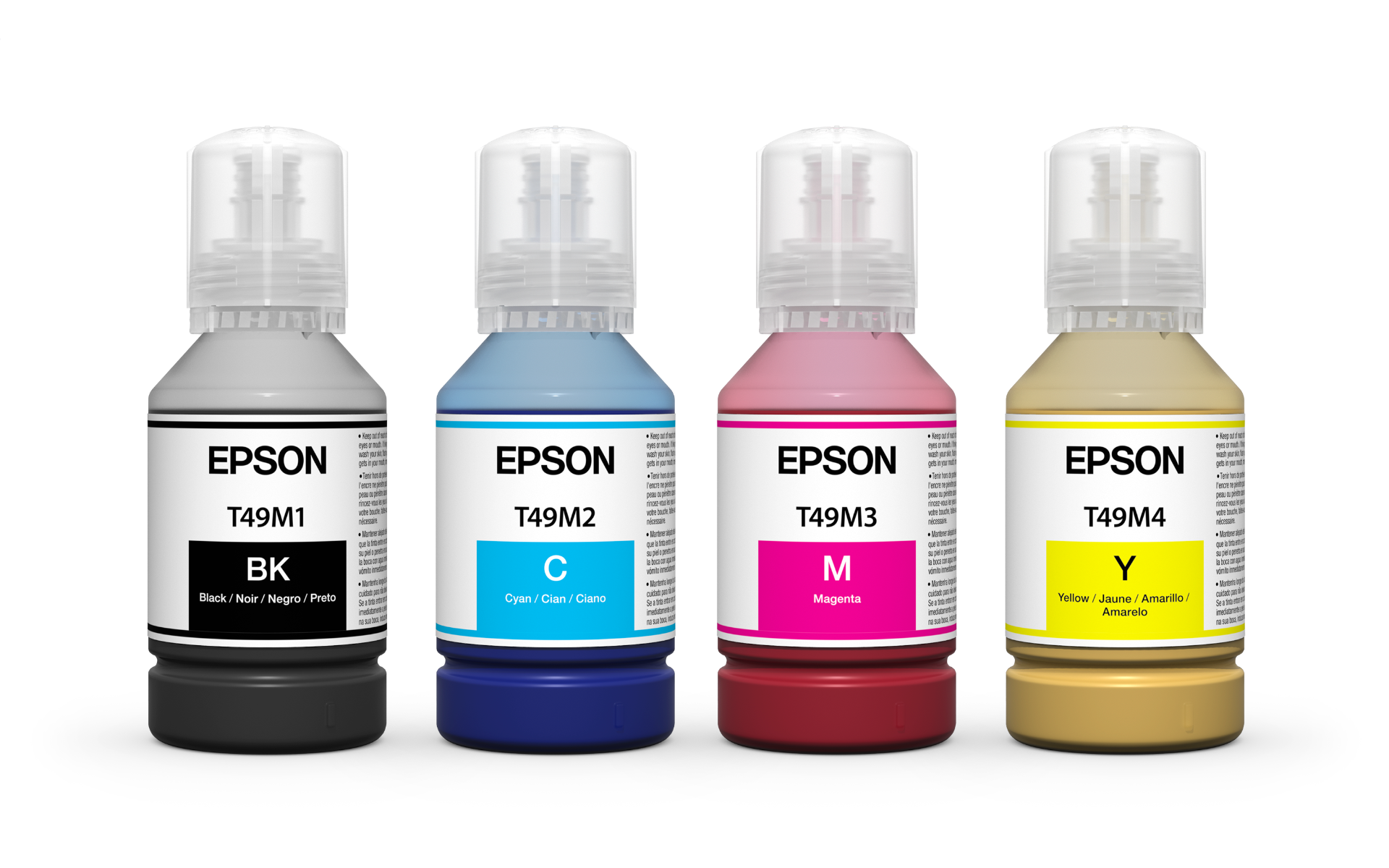
Sublimation Ink
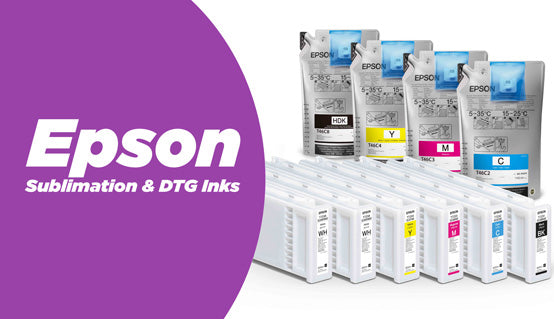
Sublimation inks are formulated specifically for the dye sublimation process. These inks contain dyes that convert into gas when exposed to high temperatures.
Using high-quality sublimation ink helps ensure vibrant colors and consistent results.
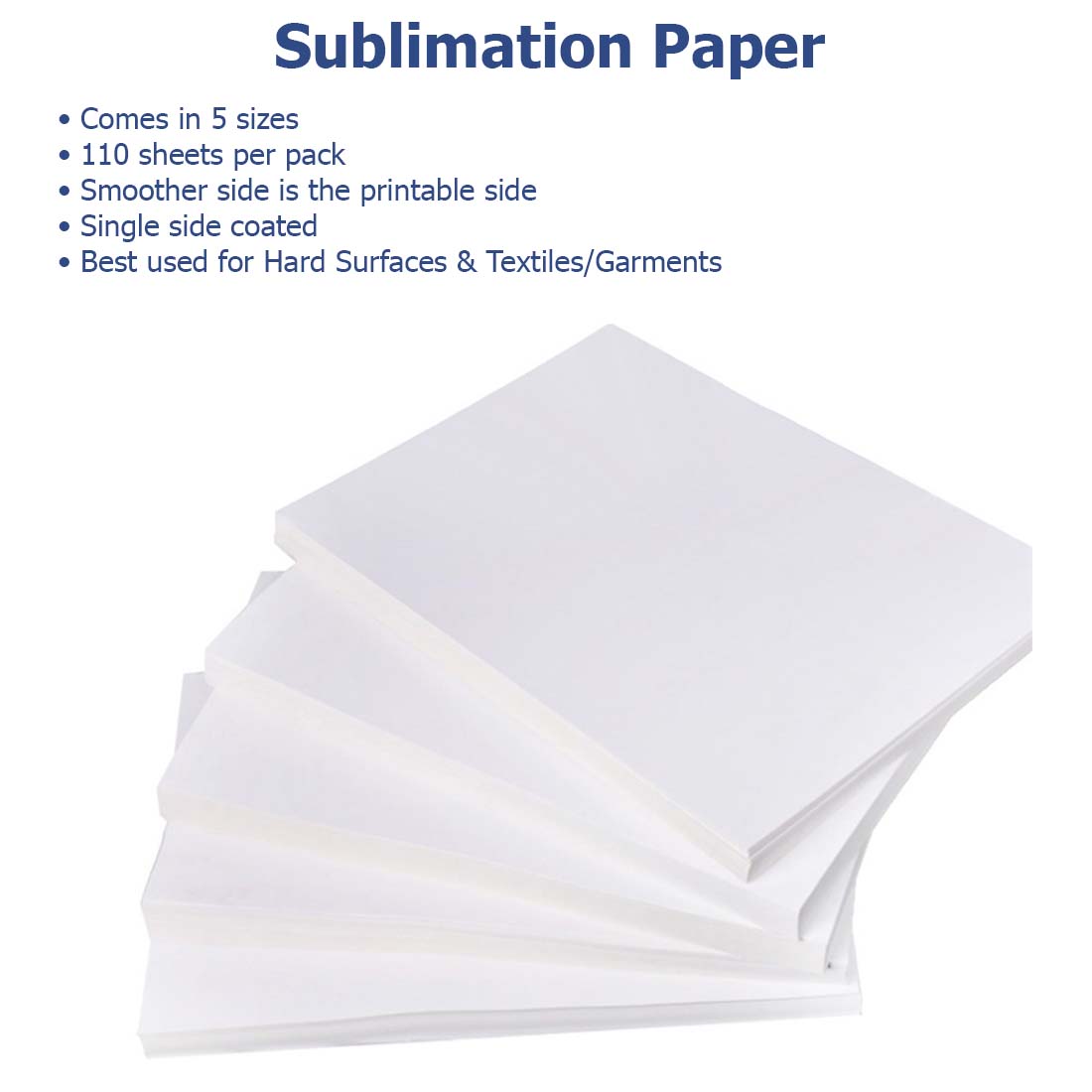
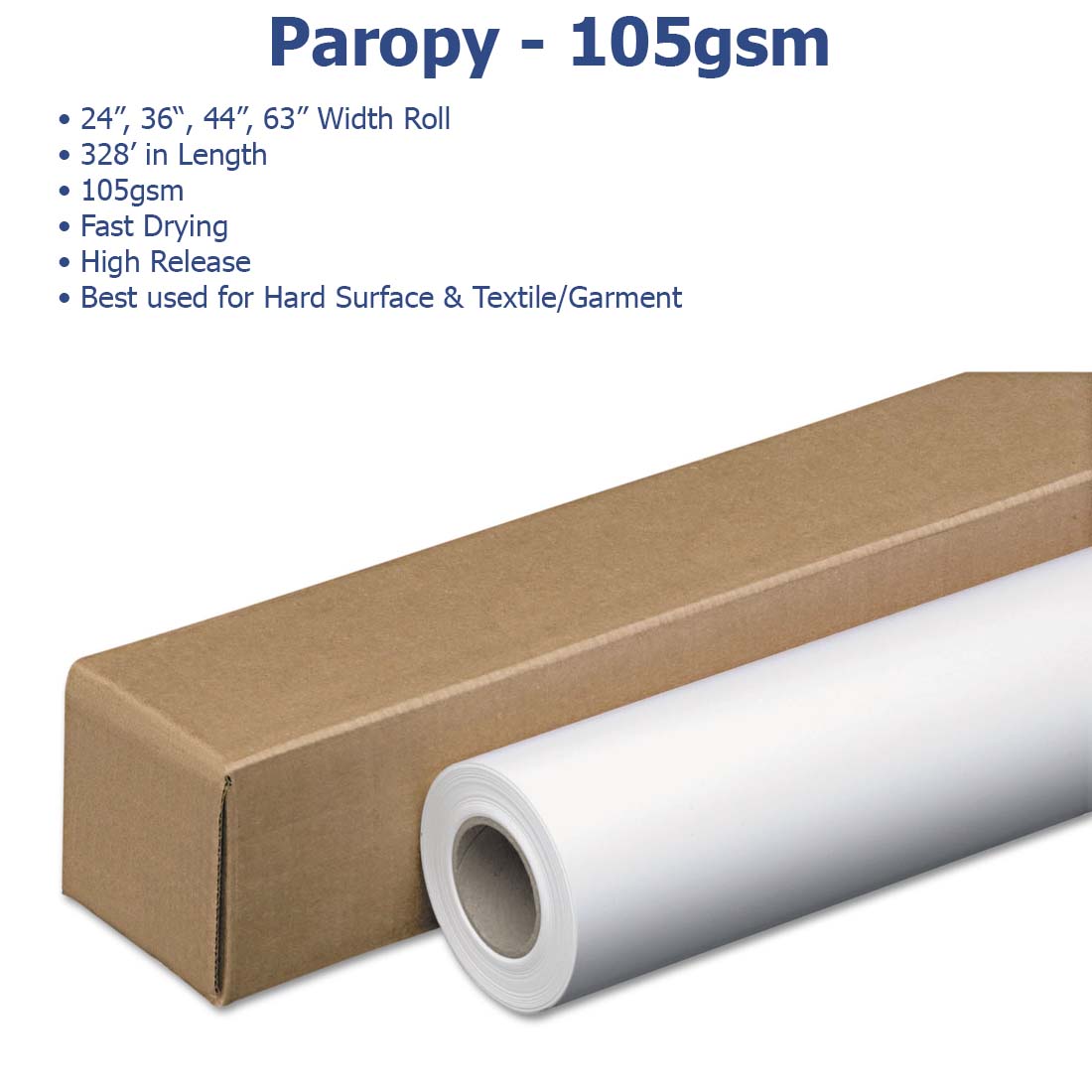
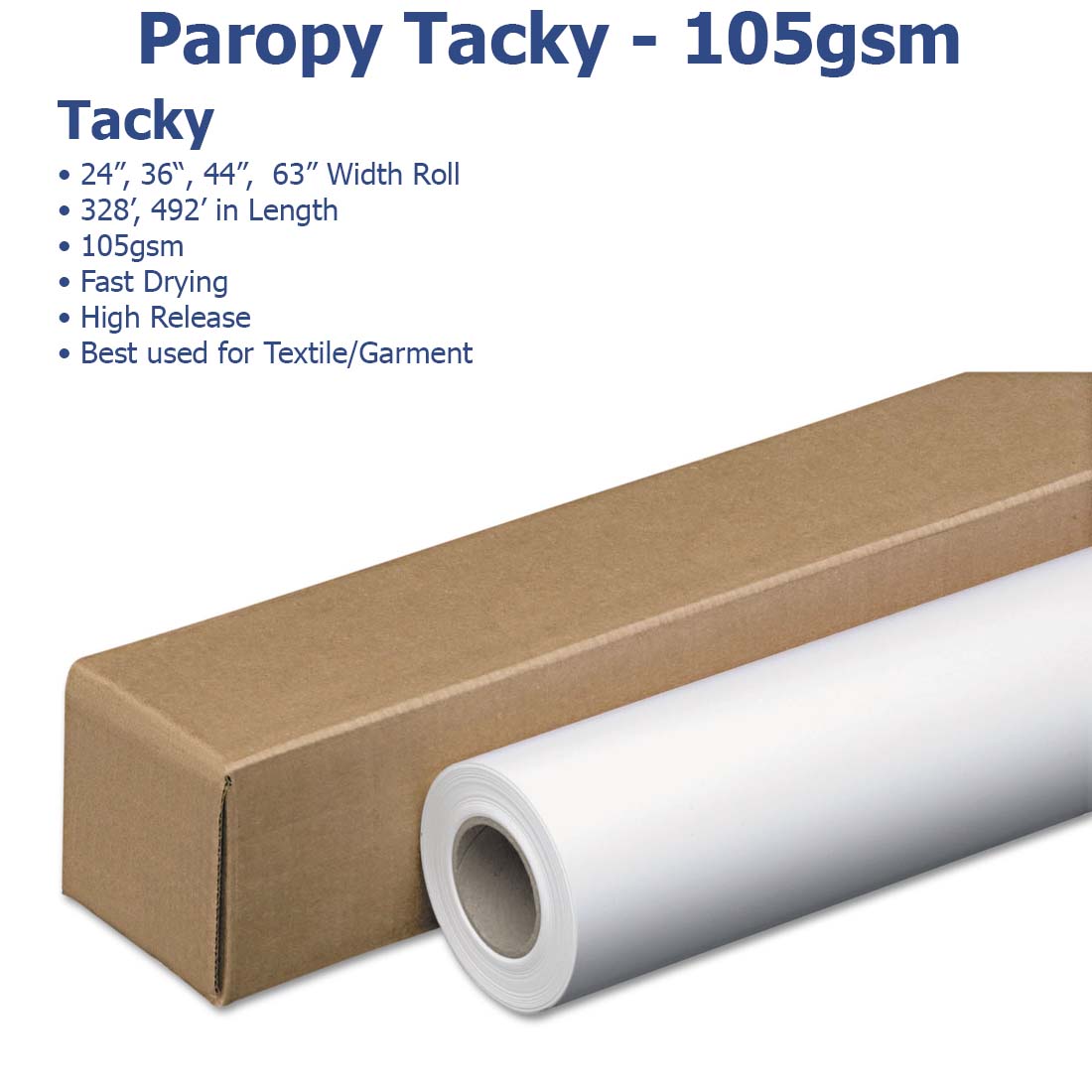
Sublimation Transfer Paper
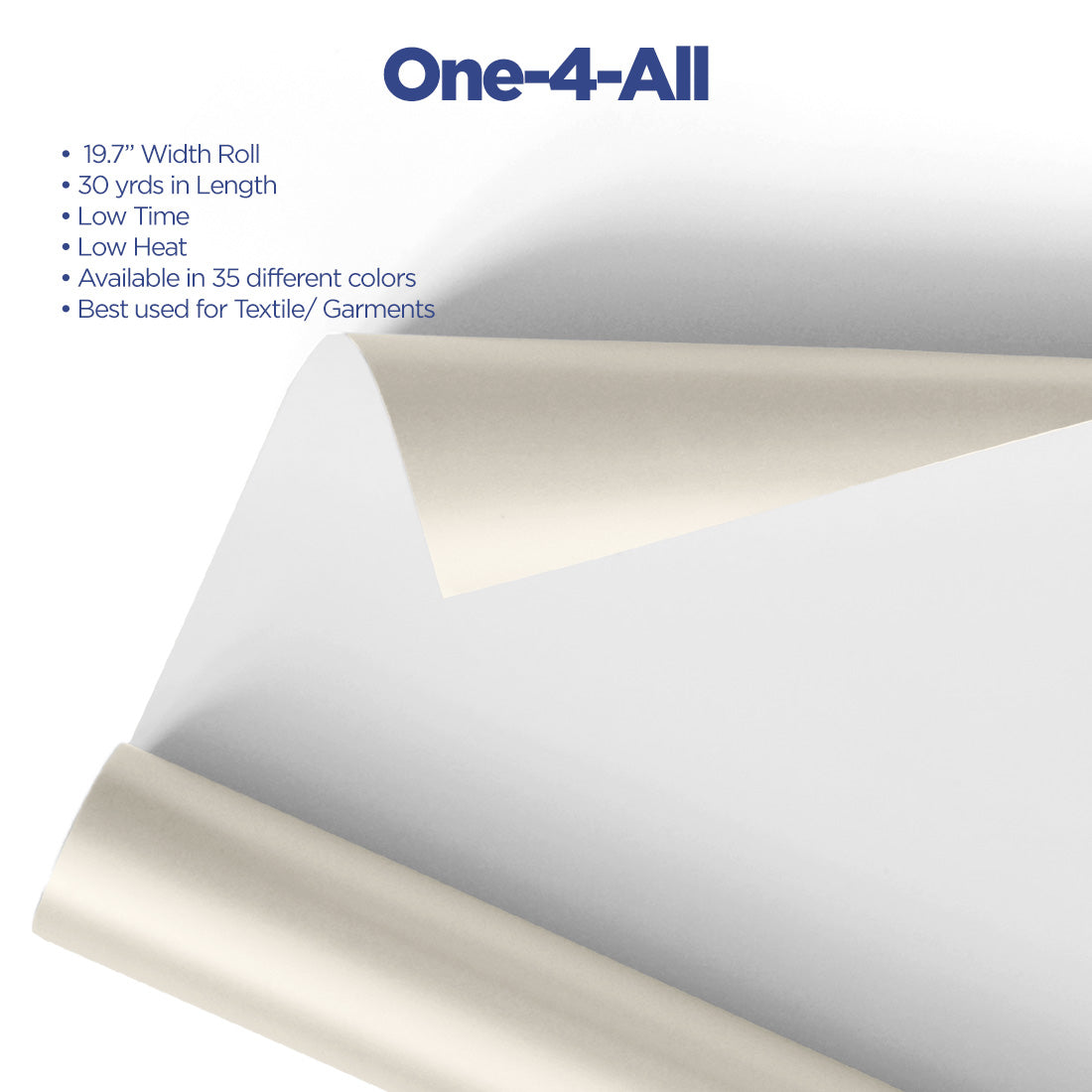
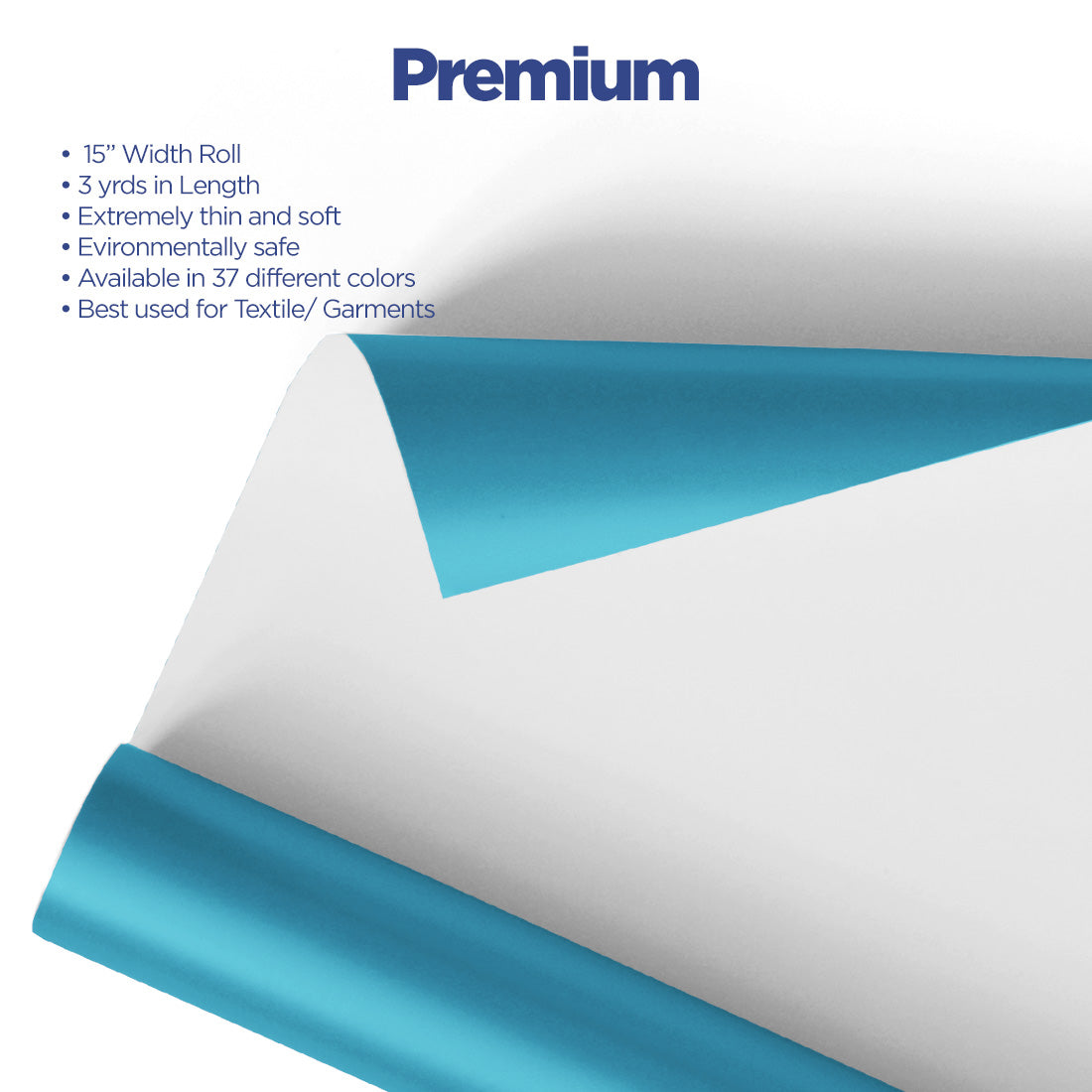
Transfer paper holds the printed design before it is transferred onto the final product.
Sublimation paper is designed to release the dye efficiently during the heat press process, allowing the ink to bond with the substrate.
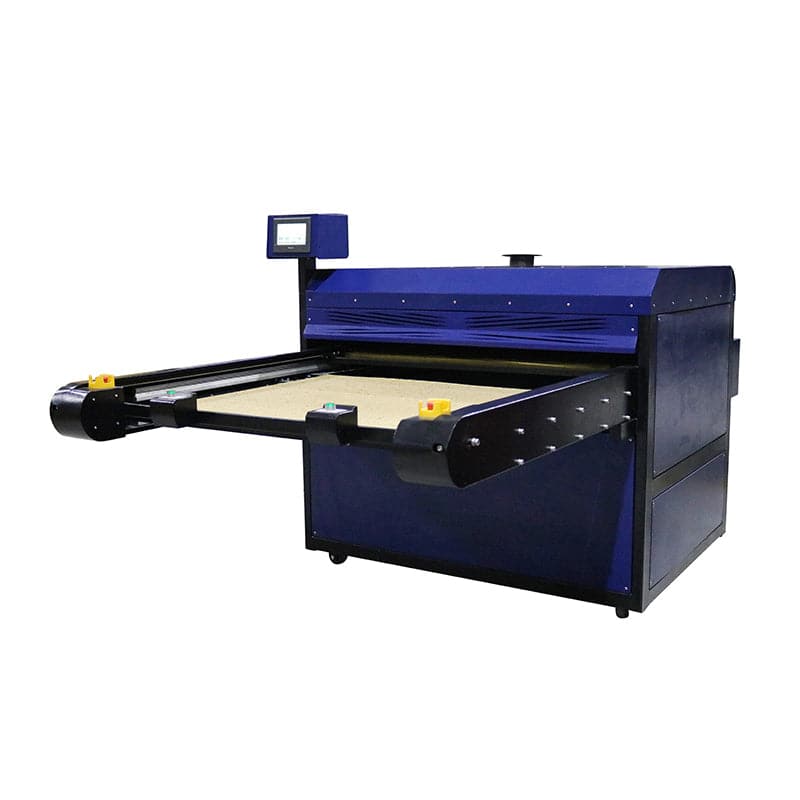
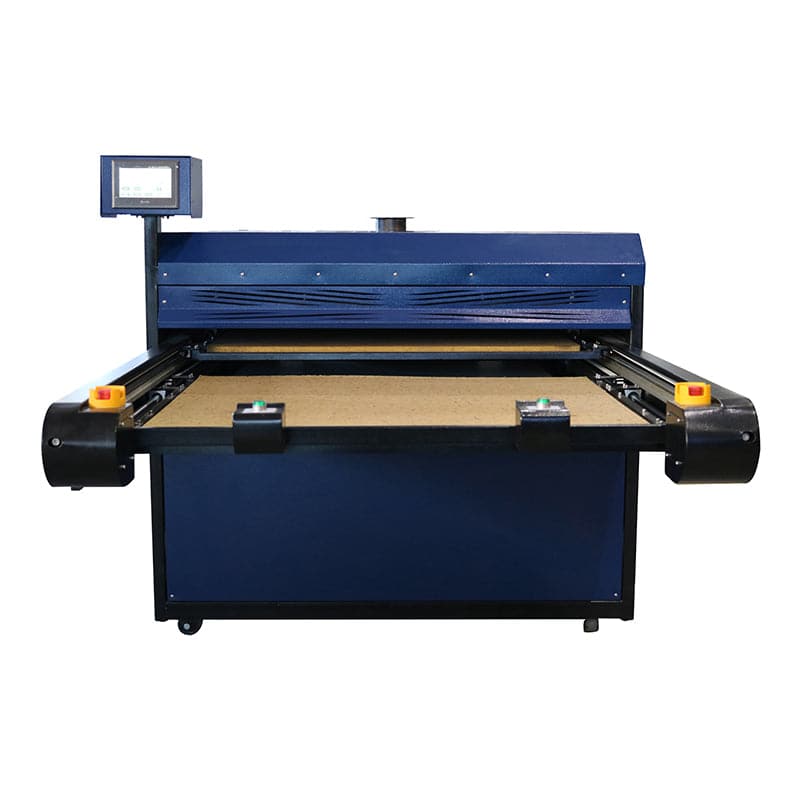
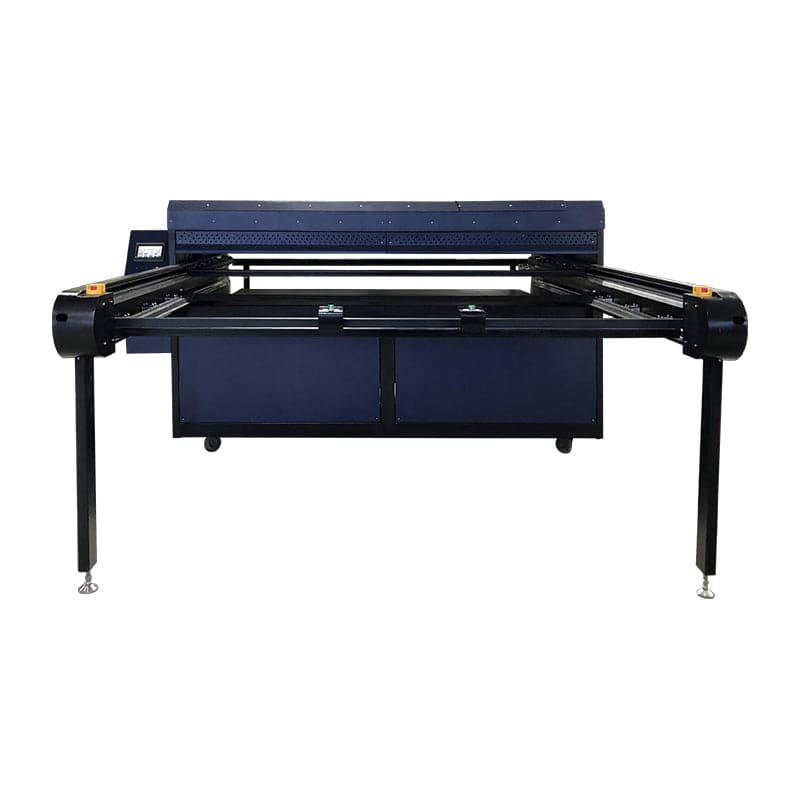
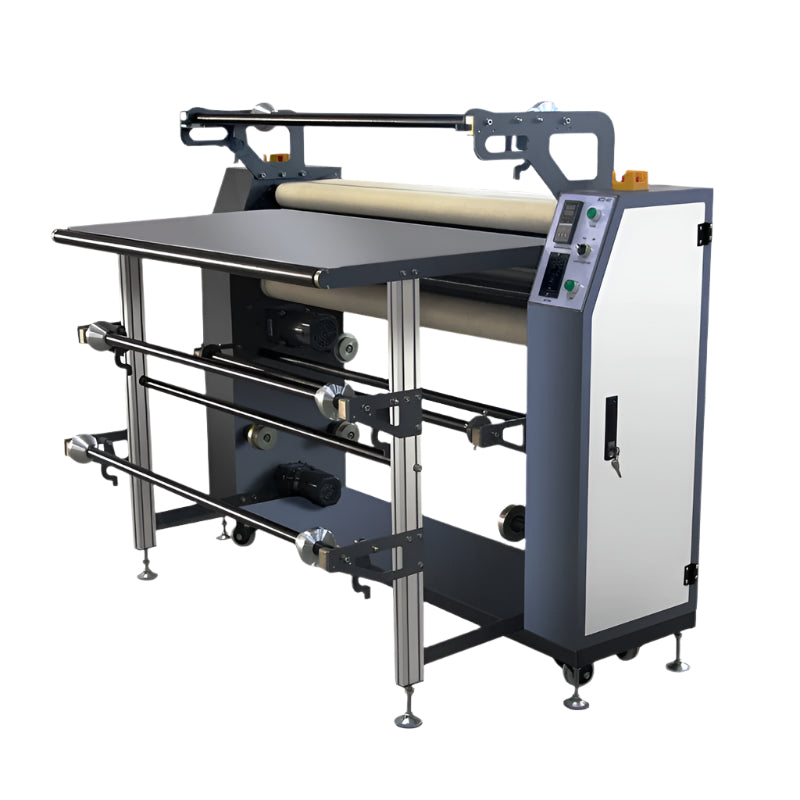
Heat Press
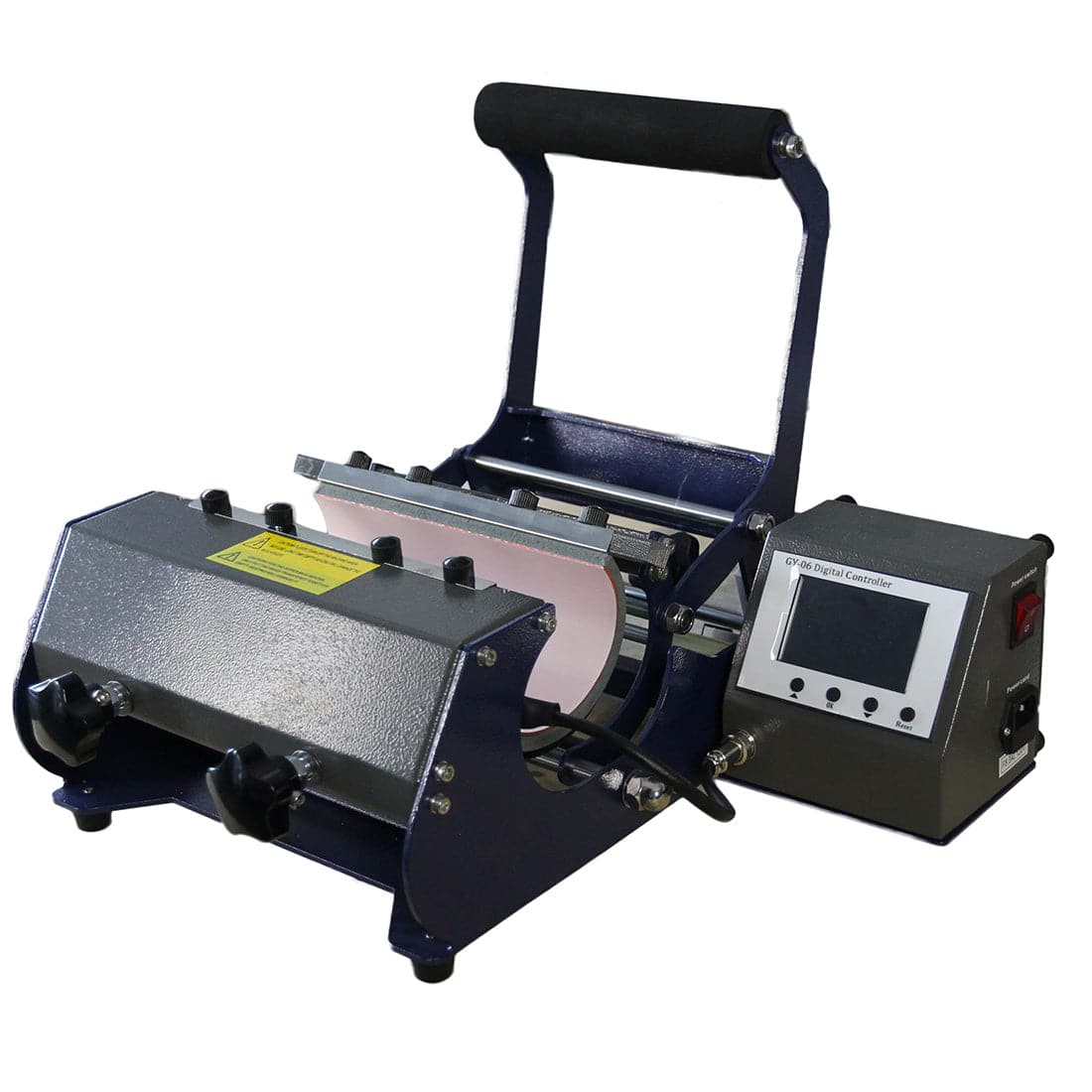
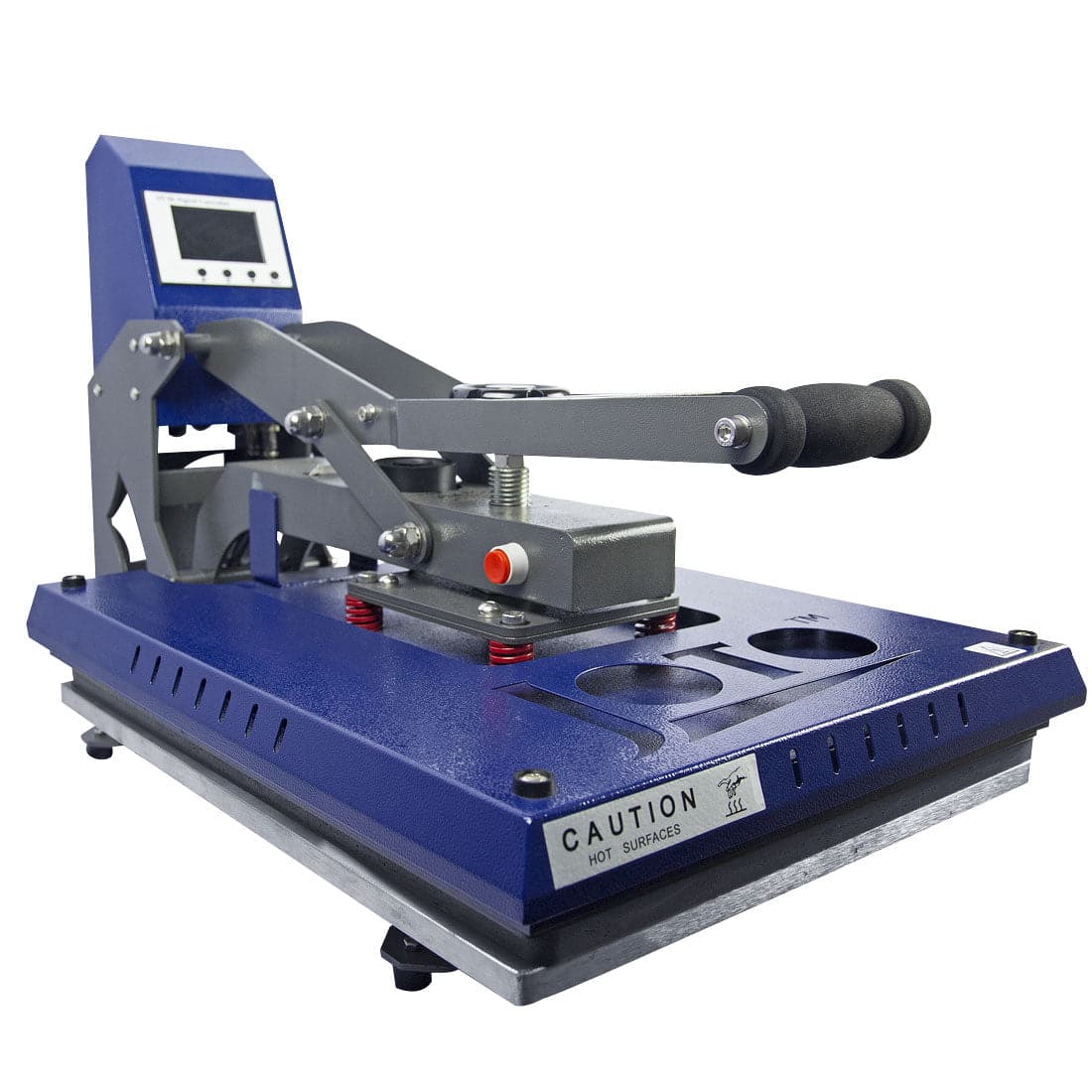
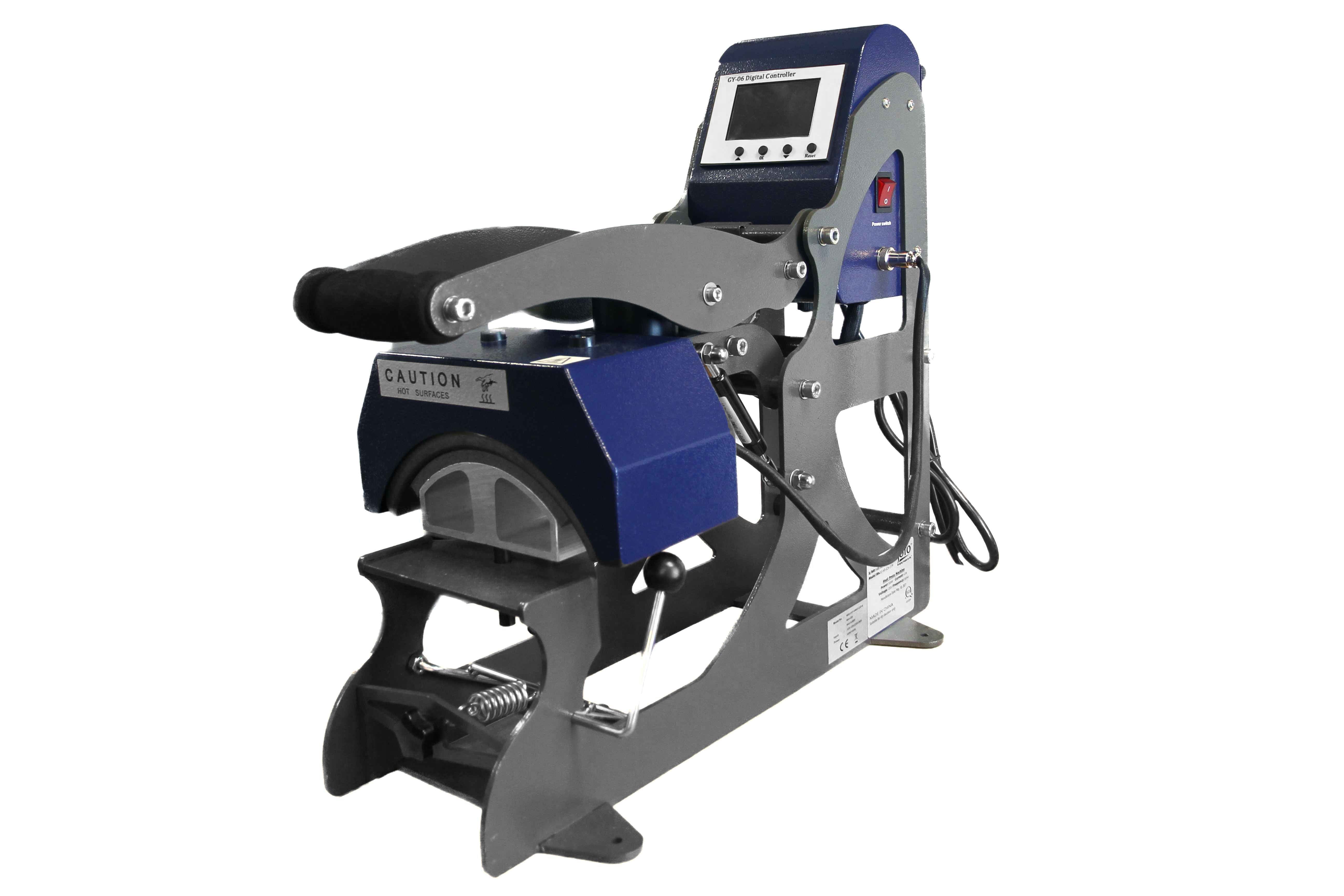
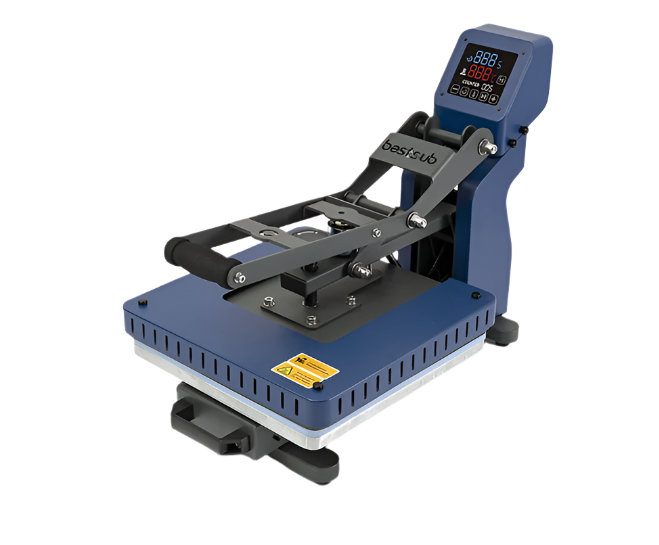
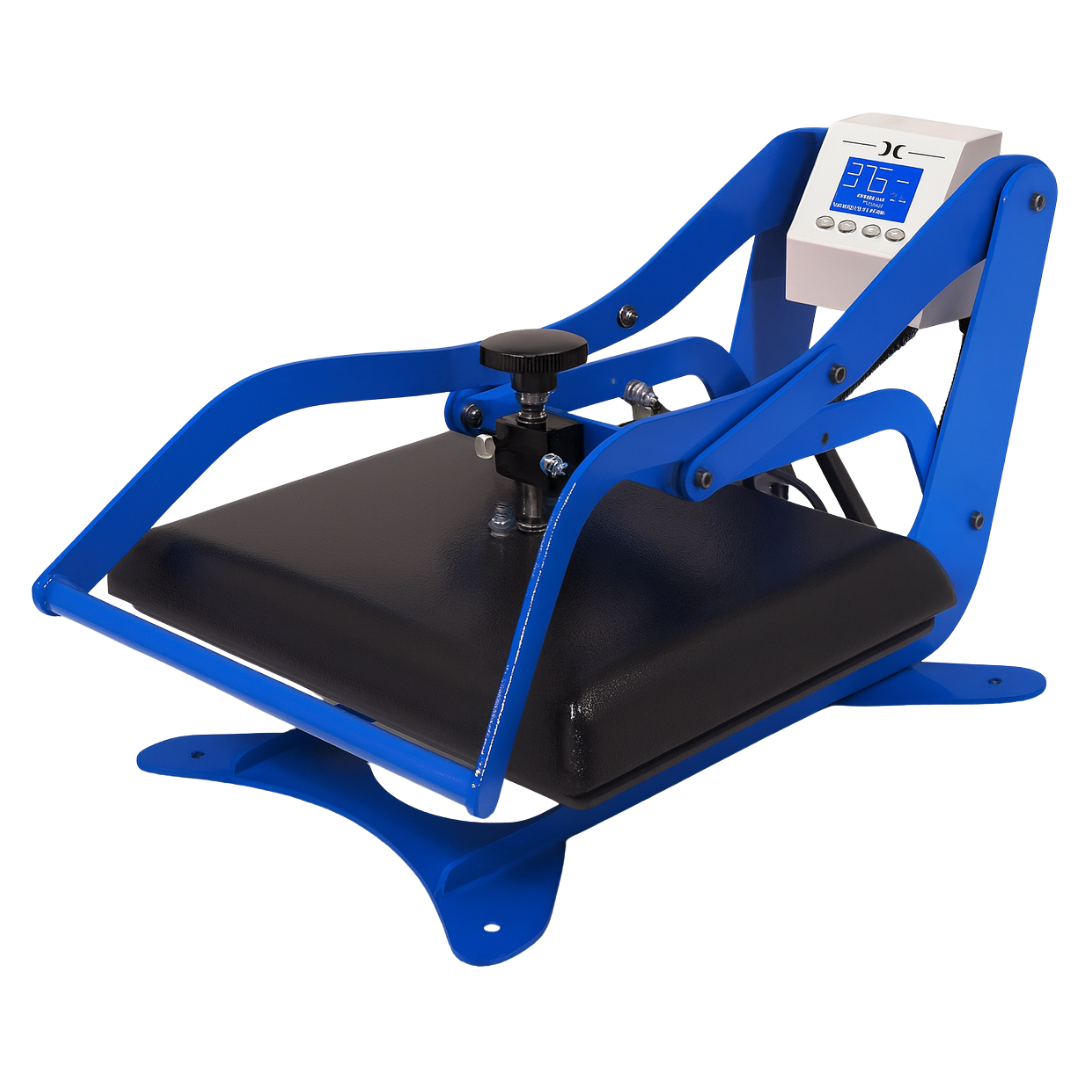
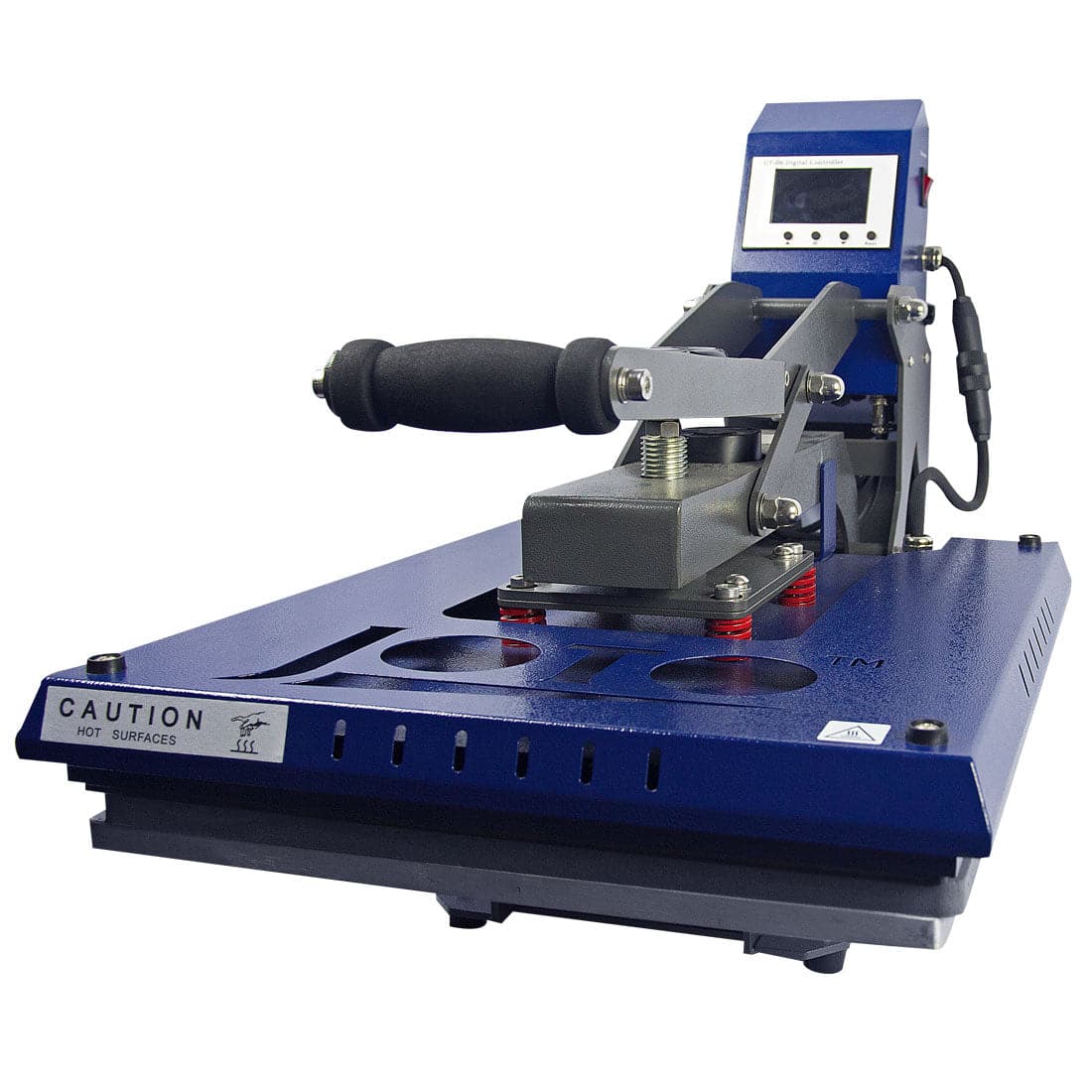
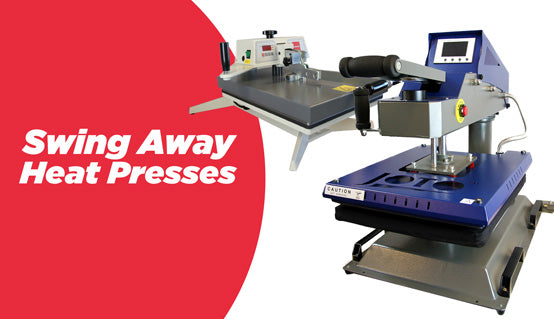
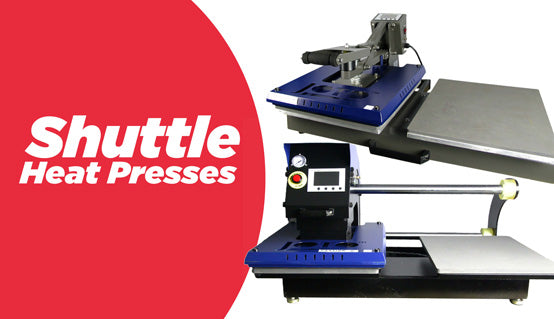
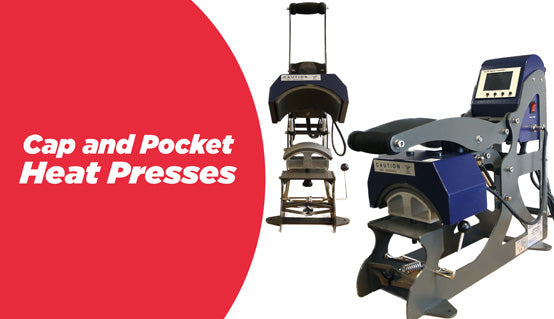
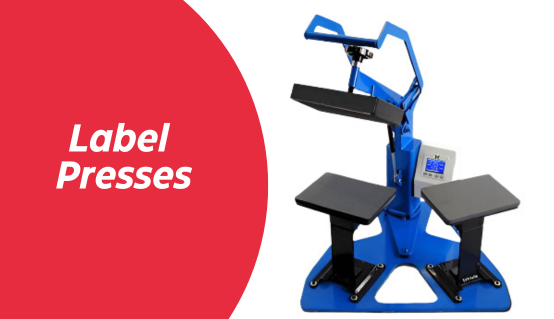
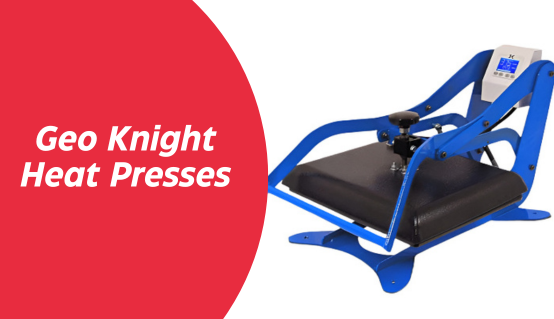
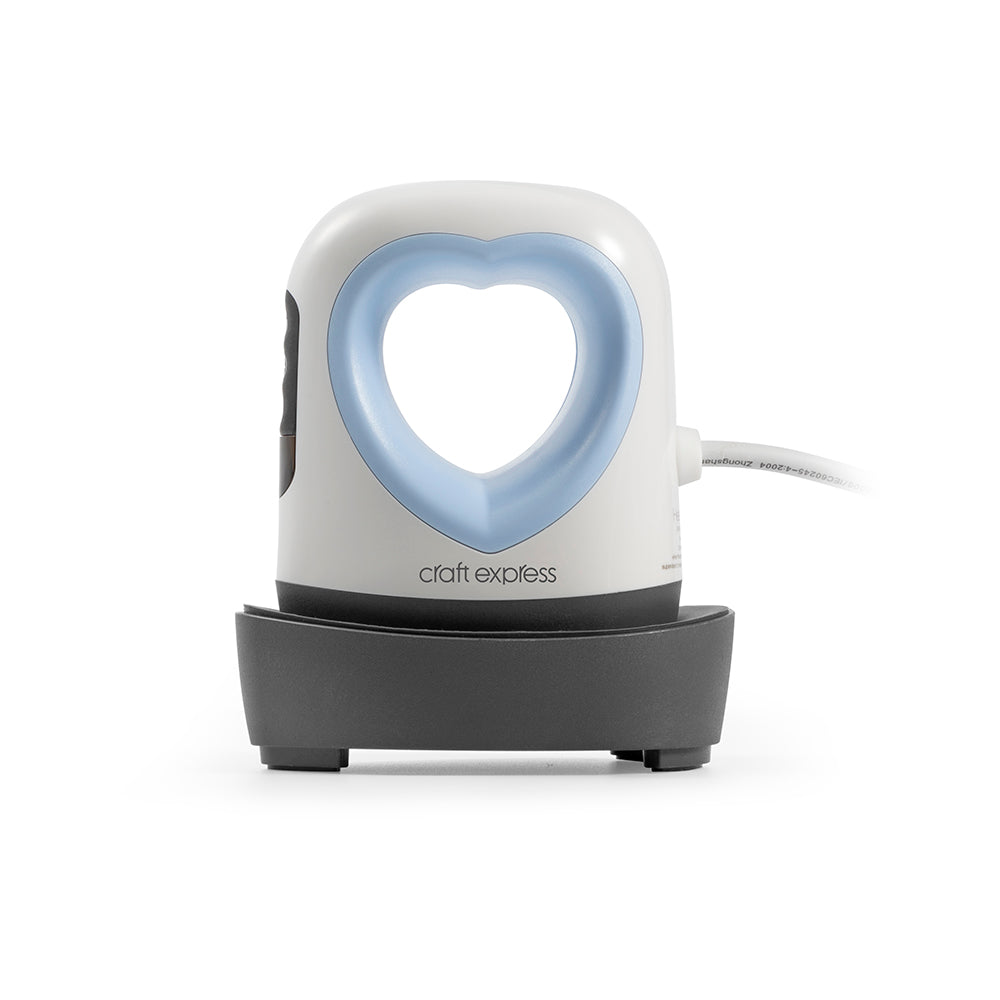
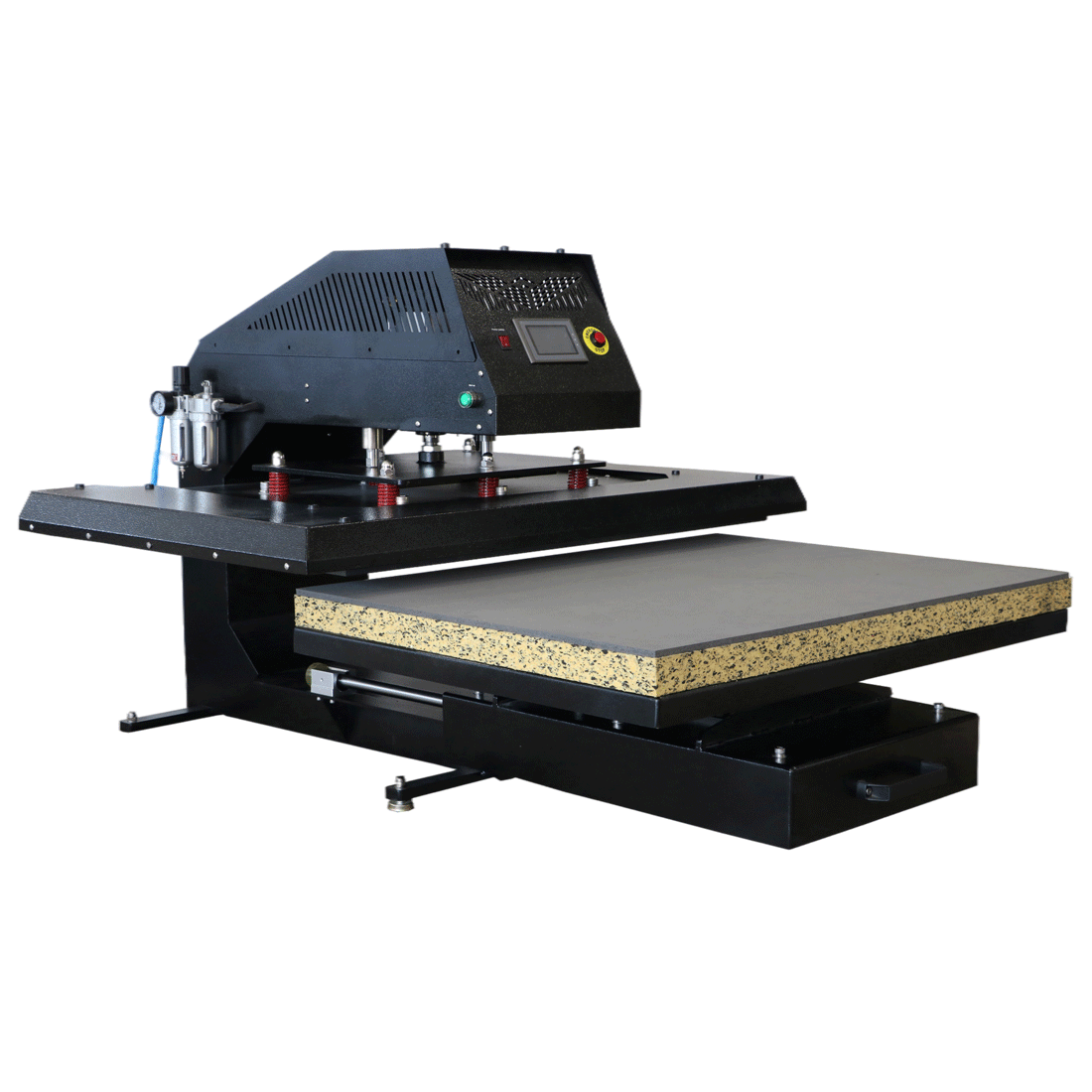
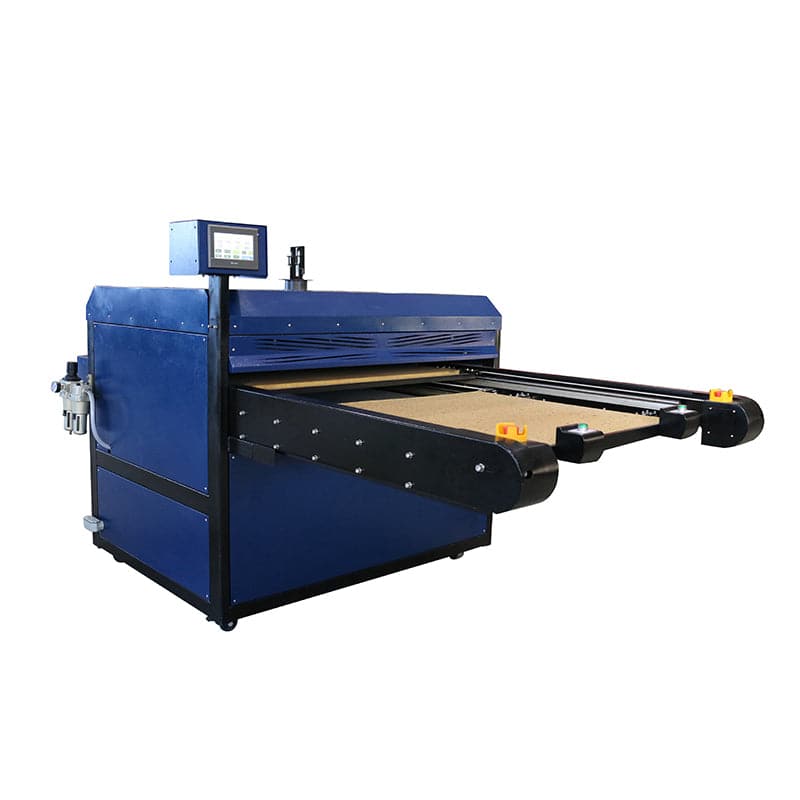
The heat press is the device that applies the heat and pressure necessary for sublimation to occur.
Different types of heat presses exist for various products, including:
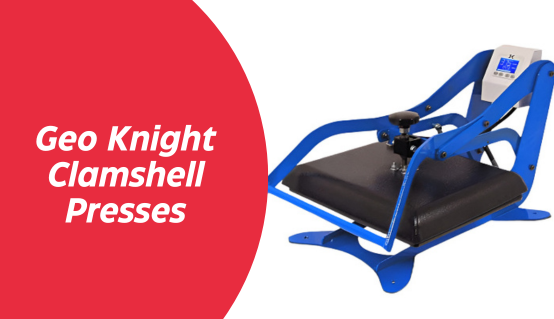
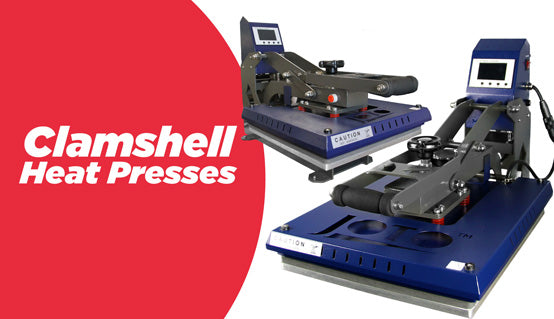
- flat heat presses for apparel and panels
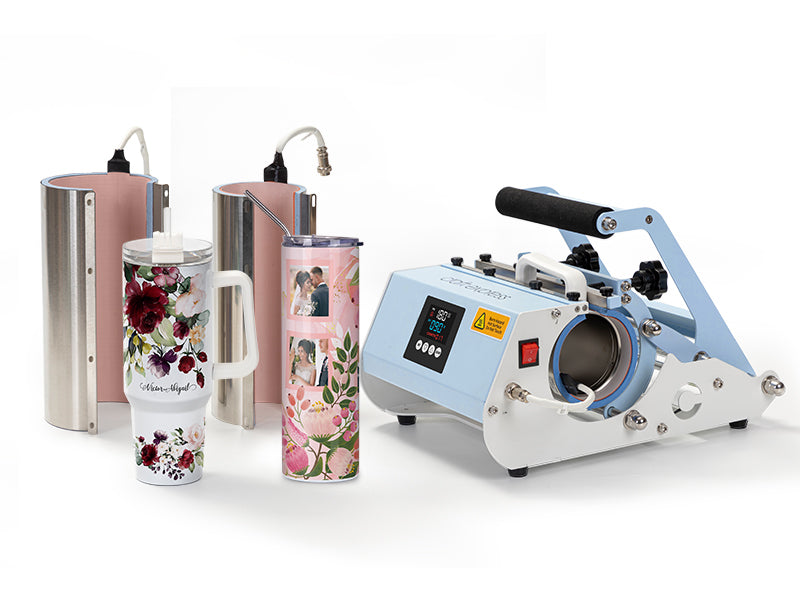
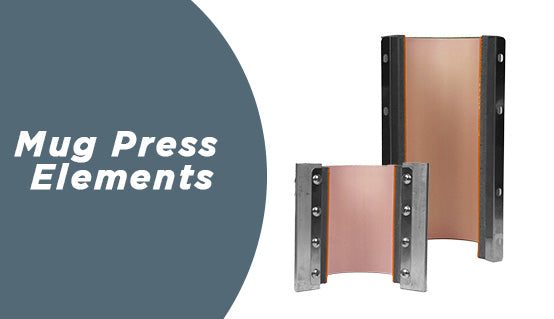
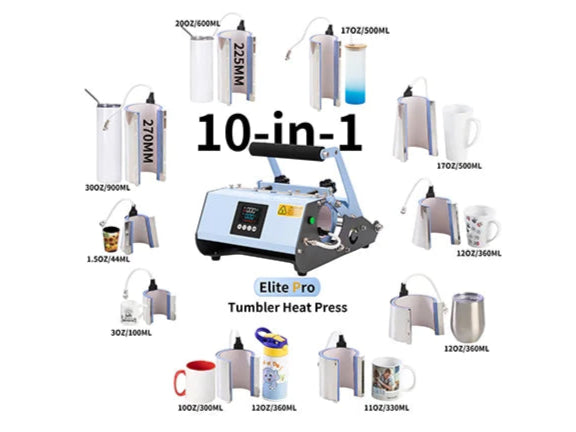
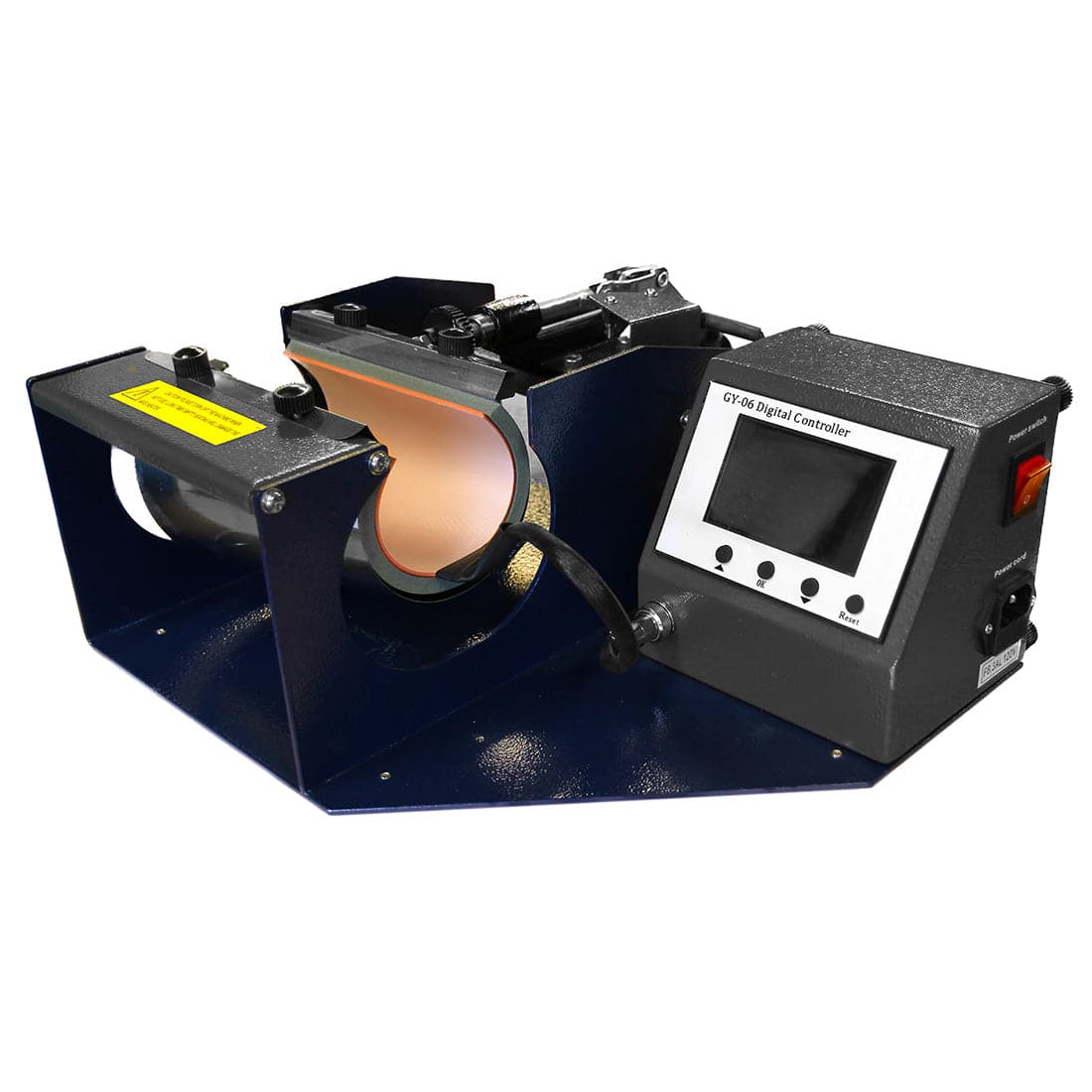
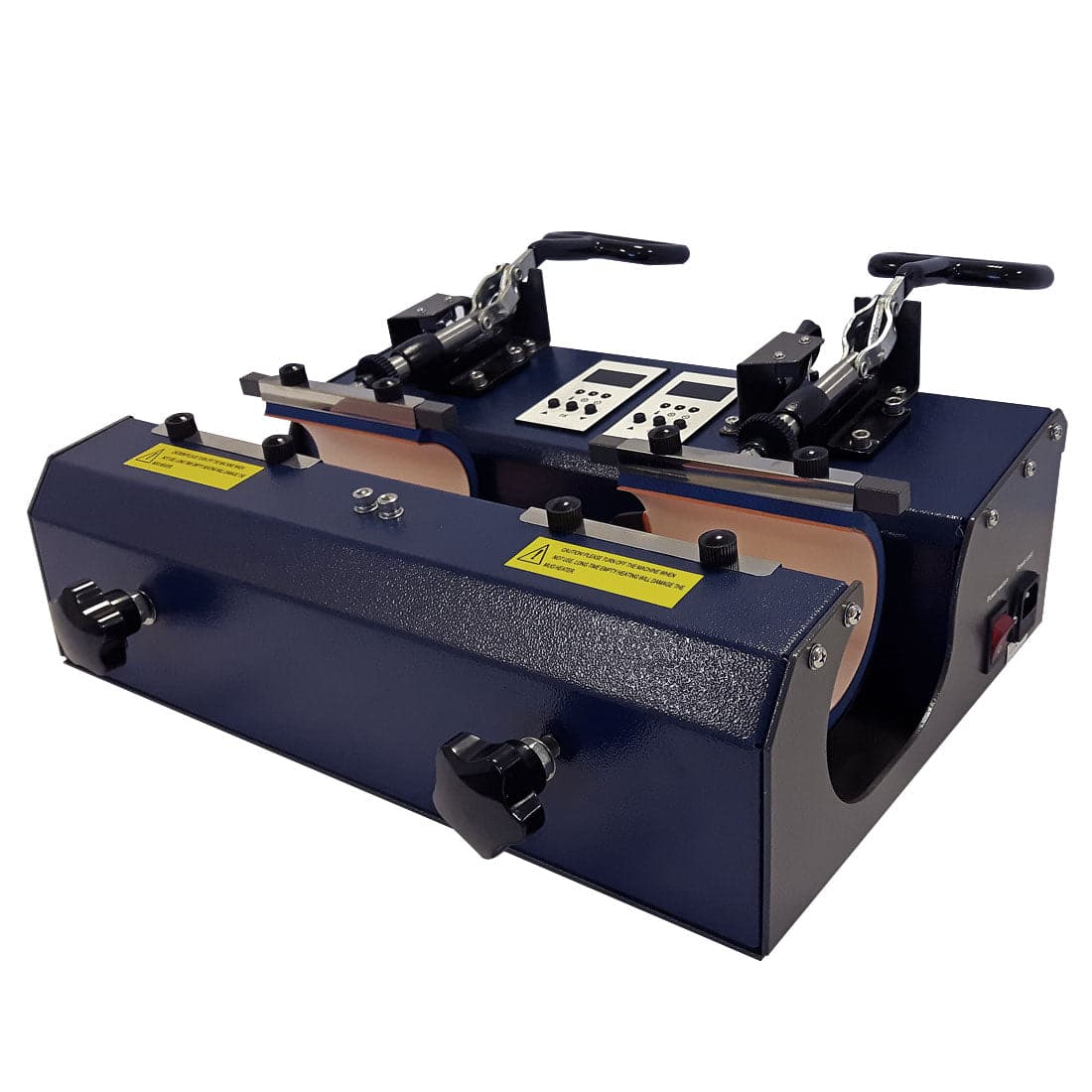
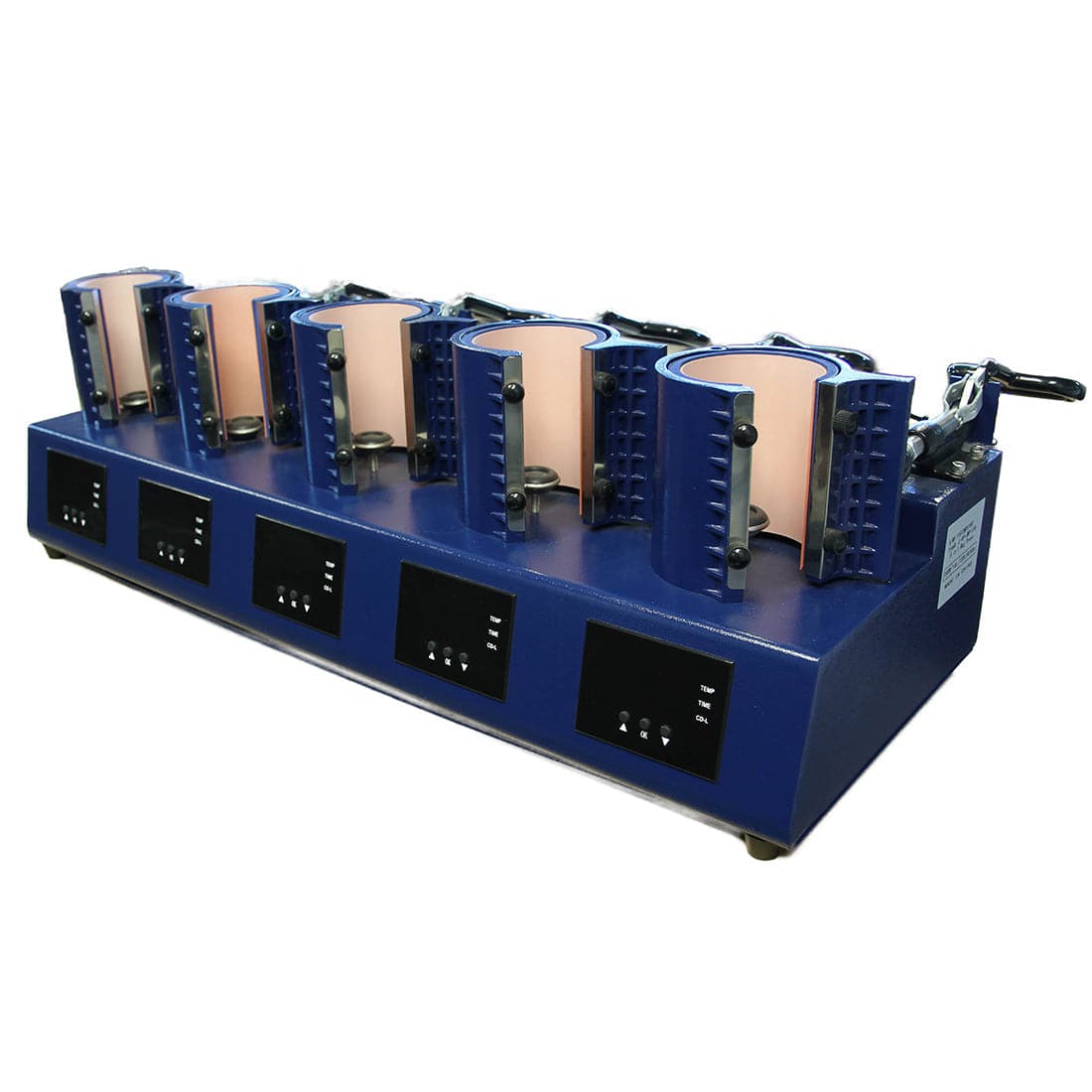
- mug presses for drinkware
- specialized presses for curved or irregular items
Accurate temperature and pressure control are essential for achieving consistent sublimation results.
Sublimation Blanks
Sublimation blanks are products specifically designed for sublimation printing. These items are made from polyester materials or have a polymer coating that allows the dye to bond properly during the heat transfer process.
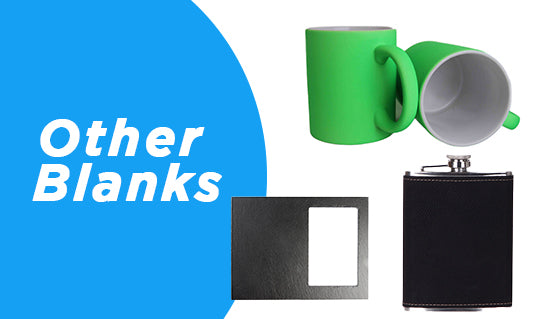
Common sublimation blanks include mugs, tumblers, apparel, aluminum panels, and many other customizable items.
Frequently Asked Questions
Is sublimation printing permanent?
Yes. Sublimation printing creates permanent designs because the dye bonds directly with the fibers or coating of the material. Unlike surface printing methods, sublimated images do not crack, peel, or wash away.
Can you sublimate on cotton?
Sublimation works best on polyester fabrics or materials with a polymer coating. Cotton does not chemically bond with sublimation dye, which means the design will not properly transfer or remain durable.
Is sublimation printing profitable?
Sublimation printing can be highly profitable for small businesses because it requires relatively low startup costs and allows for the production of personalized products with strong demand in the market.
What temperature is used for sublimation printing?
Most sublimation transfers are performed between 380°F and 400°F (193°C–204°C), depending on the material being used. Always follow the recommended settings for each specific substrate.
Conclusion
Sublimation printing has become one of the most popular methods for producing custom products thanks to its combination of simplicity, durability, and vibrant results.
By using heat and pressure to bond dye directly with compatible materials, businesses can create long-lasting, full-color designs on a wide range of products, from apparel and drinkware to photo panels and personalized gifts.
For entrepreneurs and print shops, sublimation offers an accessible way to enter the growing market for customized merchandise. With the right equipment, materials, and workflow, businesses can produce professional-quality products while maintaining flexible production and scalable growth.
As the demand for personalized products continues to expand, sublimation printing remains a powerful technology for businesses looking to build a successful presence in the customization industry.