Skip to content
en
CAD

20% Off on premium paper

DTF Sheet Ovens

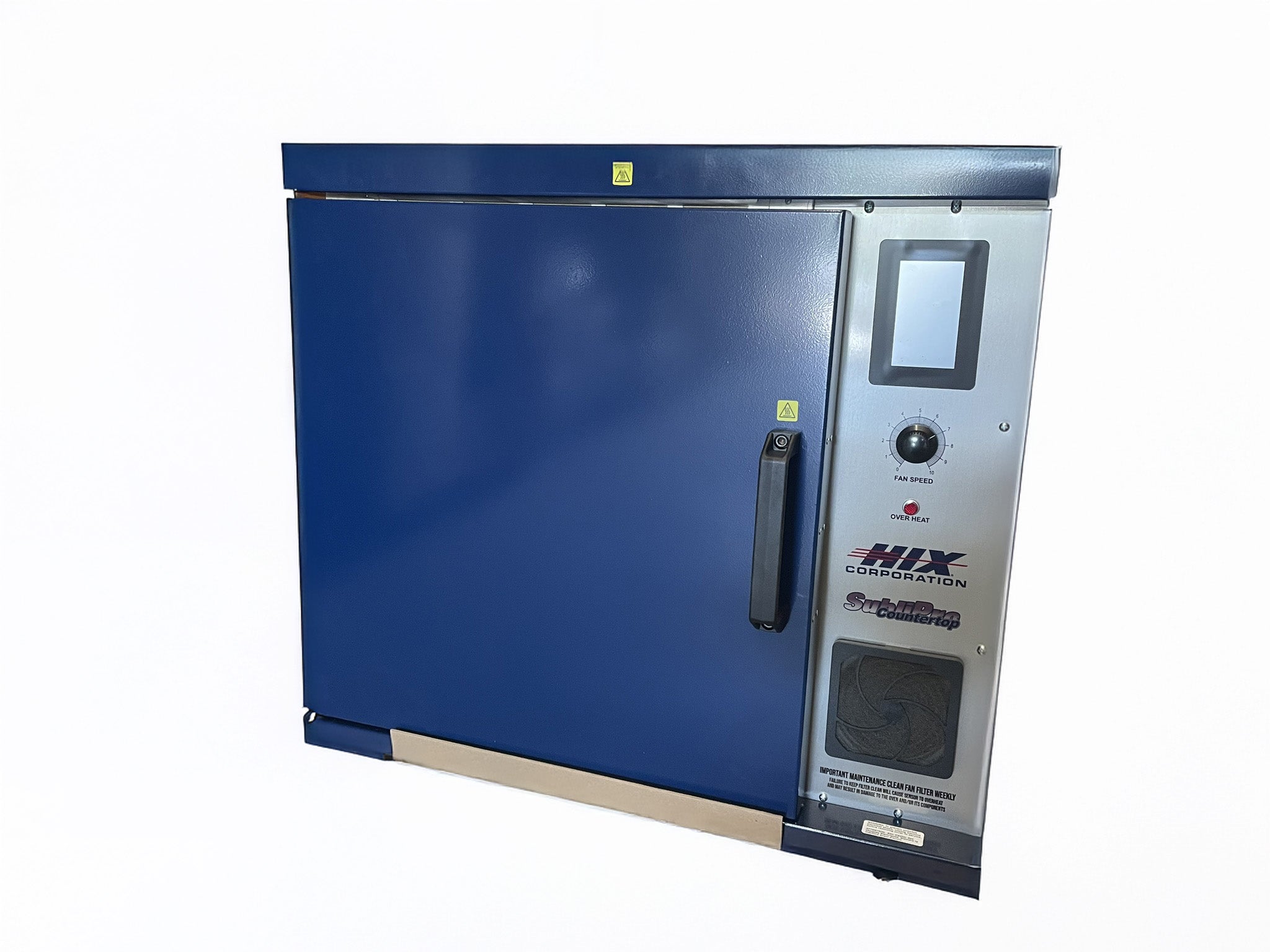
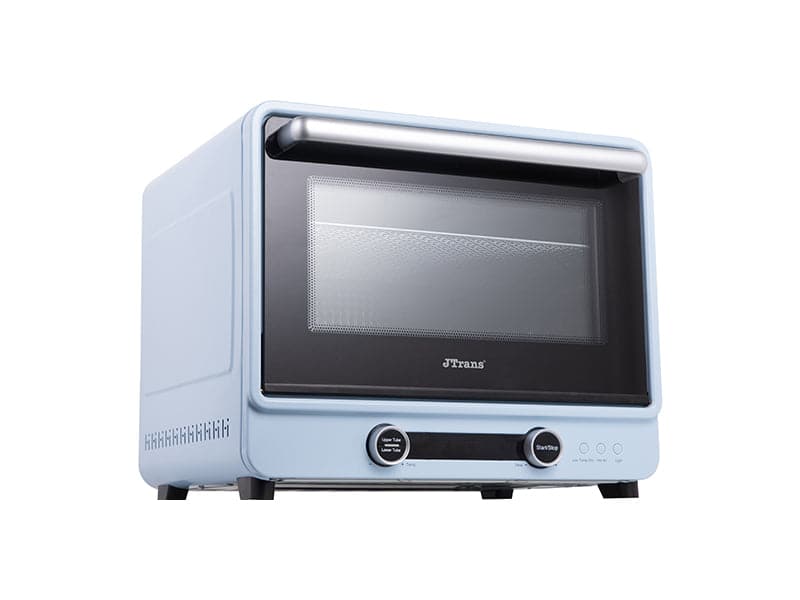
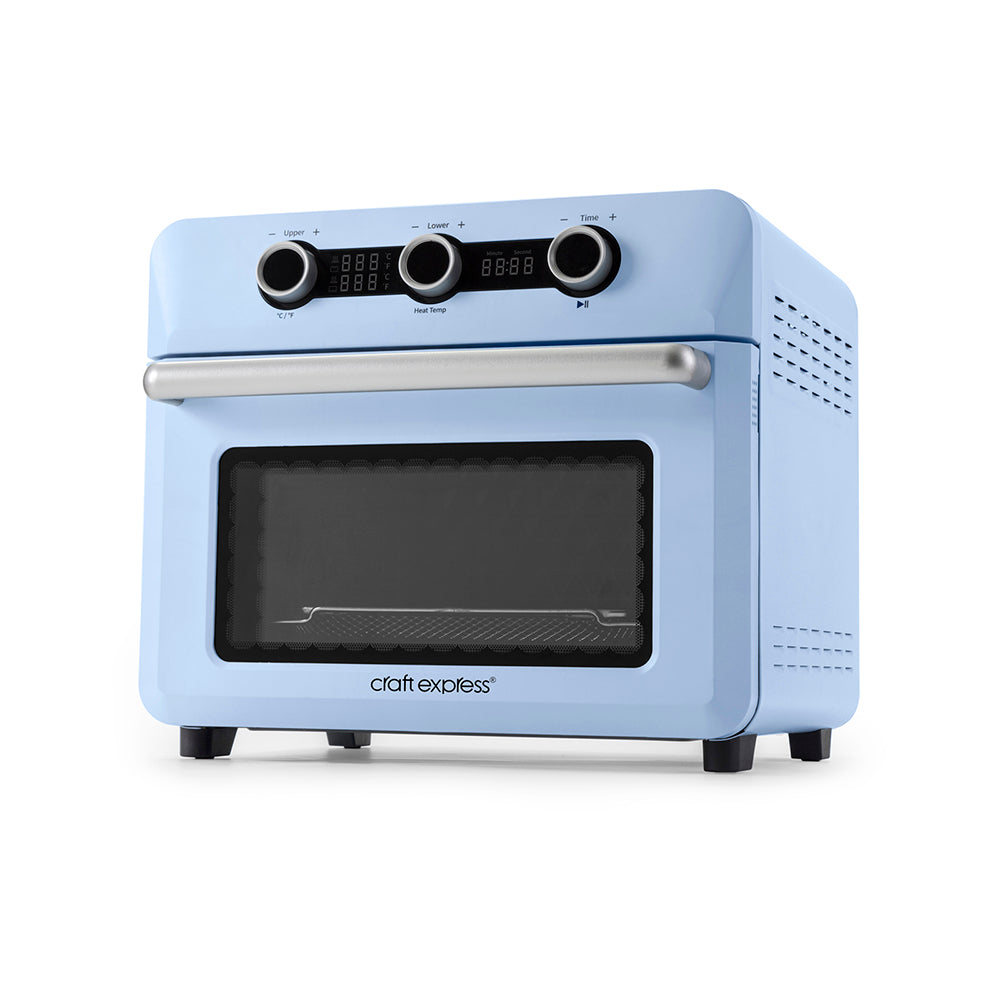
DTF Sheet Ovens for Apparel and Printing Shops


Cure DTF Sheet Transfers with Consistent Control


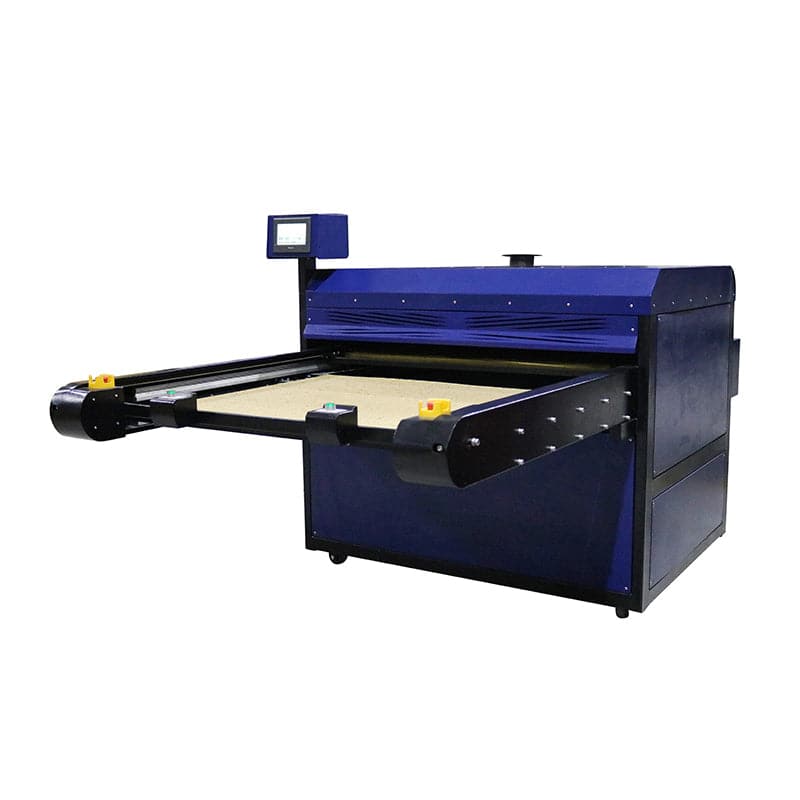
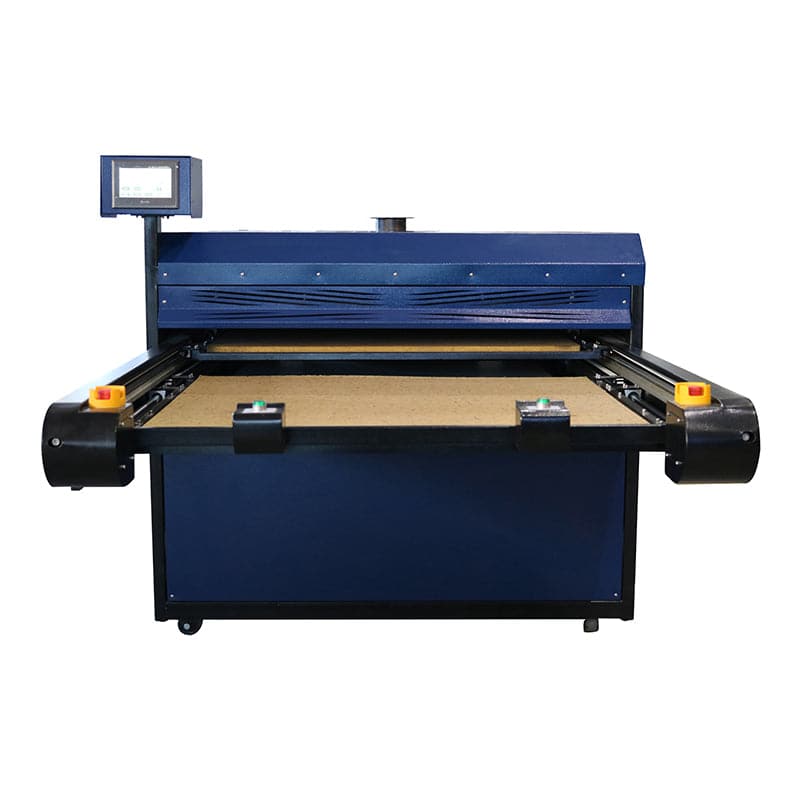
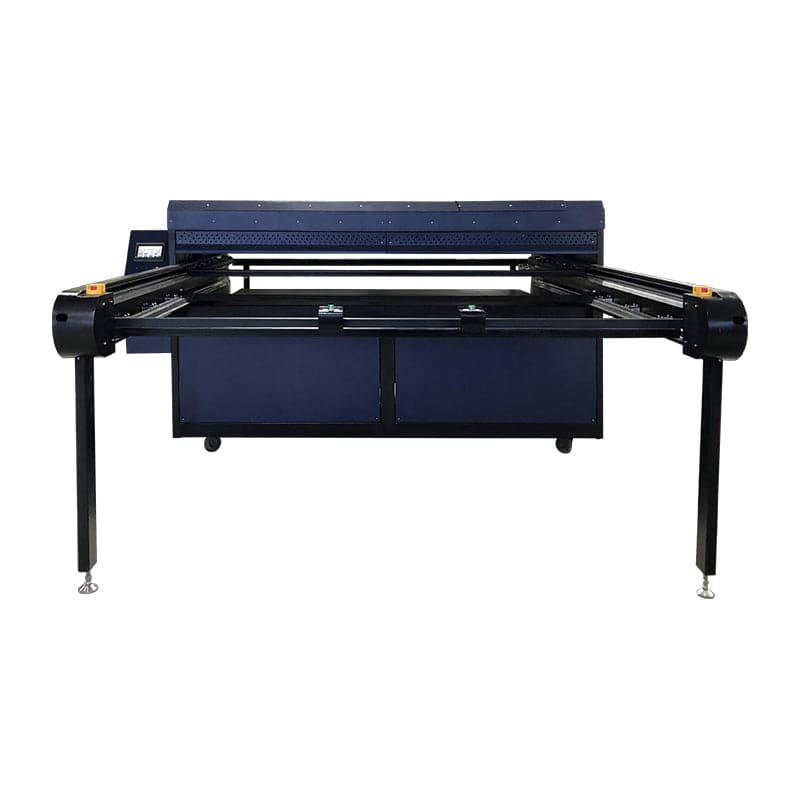
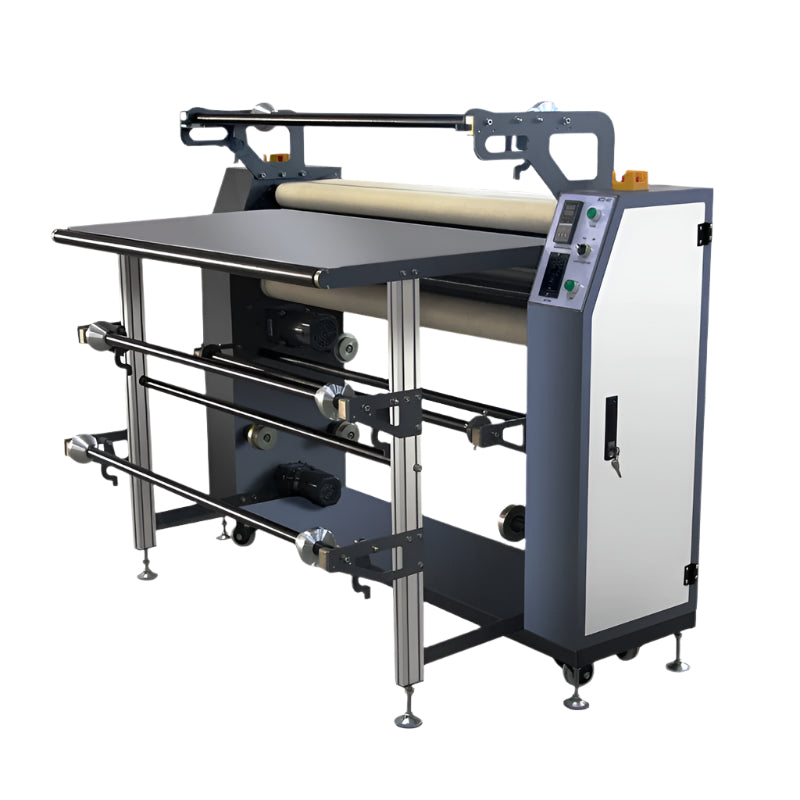
Explore DTF sheet ovens built for businesses producing gang sheets and custom transfers at scale. Designed to deliver even curing, dependable adhesion, and repeatable production results across every batch. Support steady workflows and create durable, retail-ready transfers for resale and fulfillment.

Filter

4 products

  • Sort by

Frequently Asked Questions:

What is a DTF sheet oven used for?

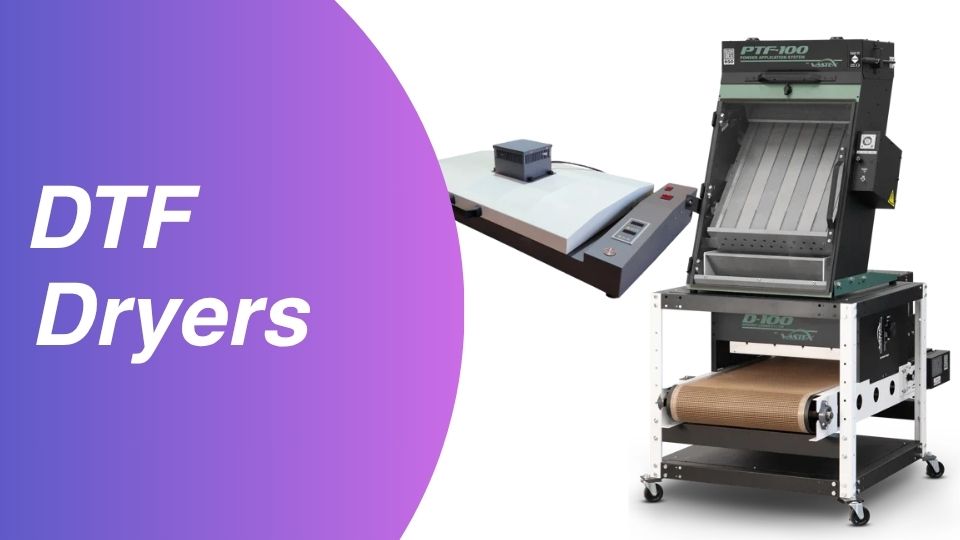
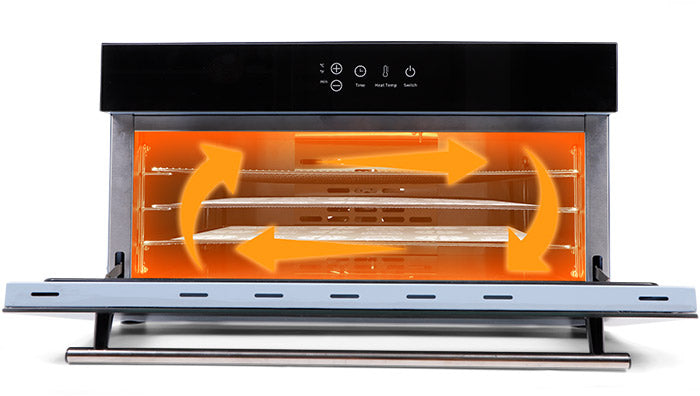
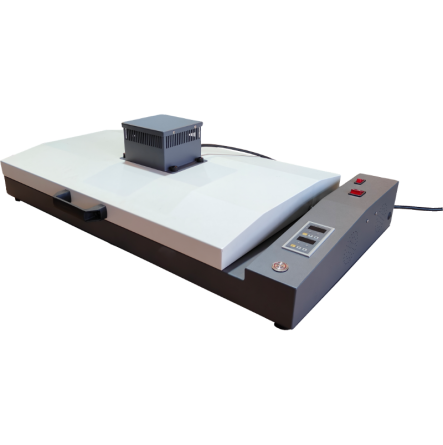
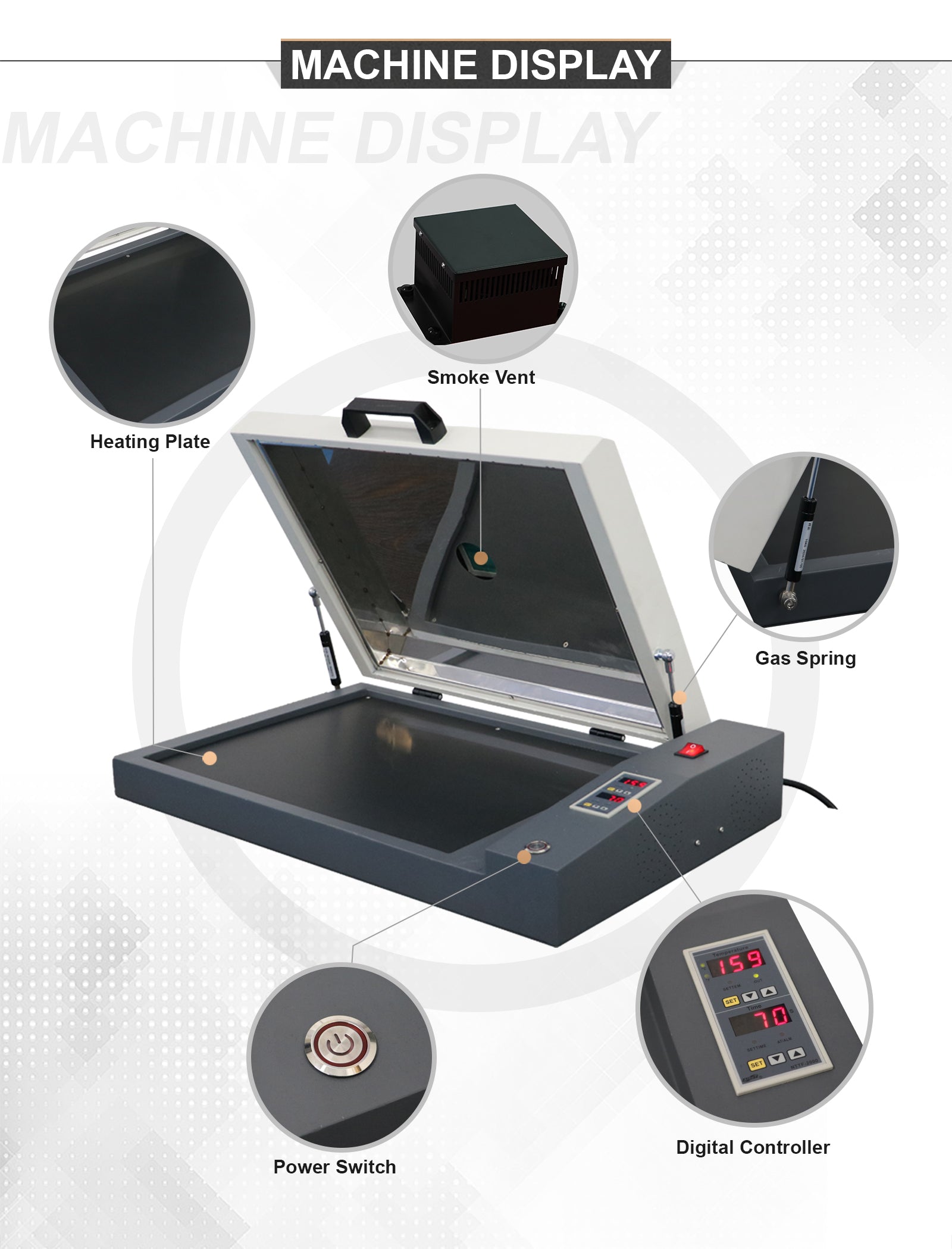
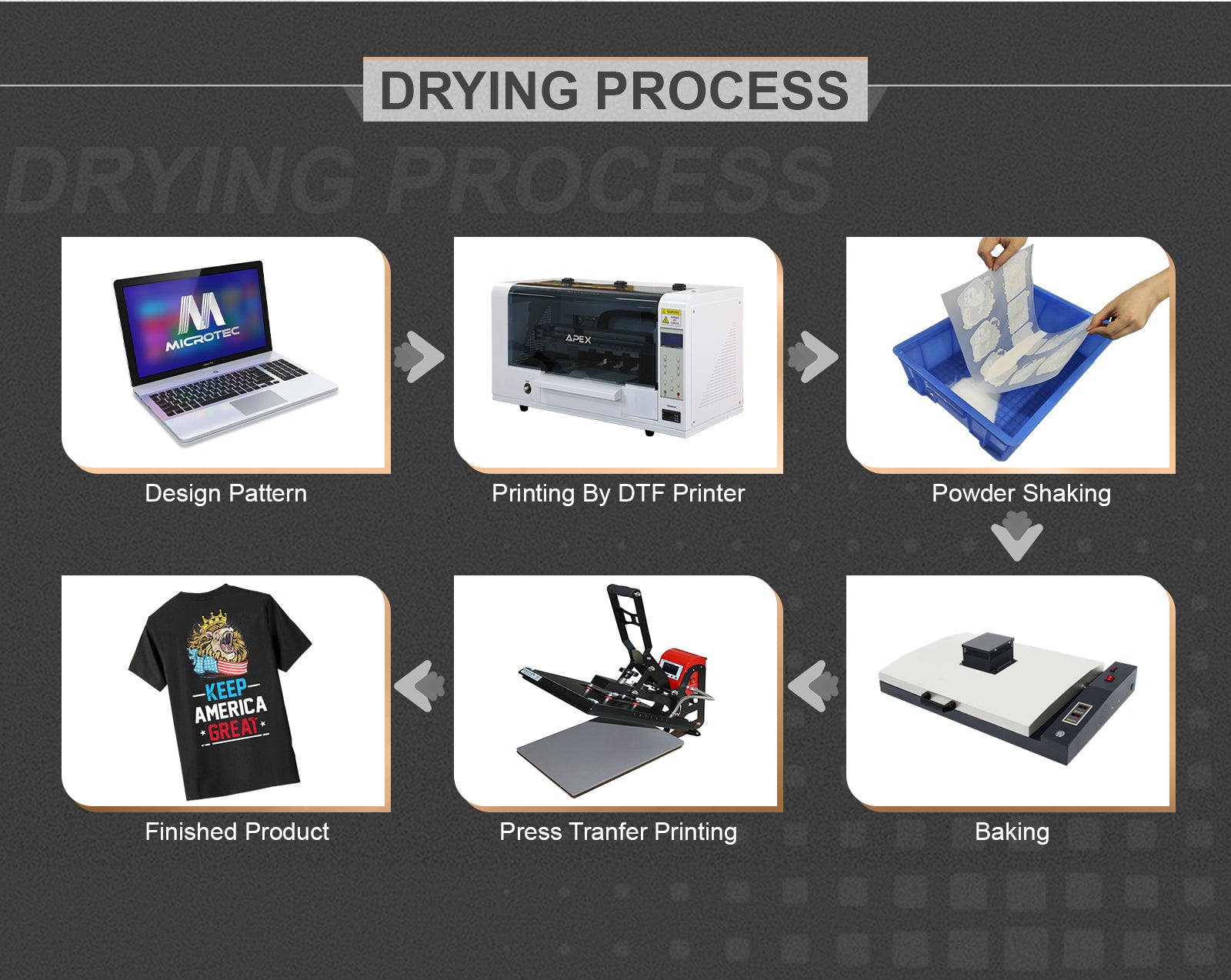
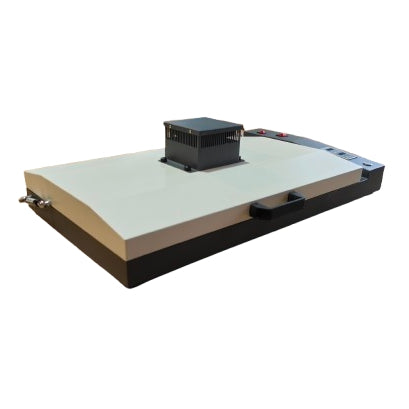
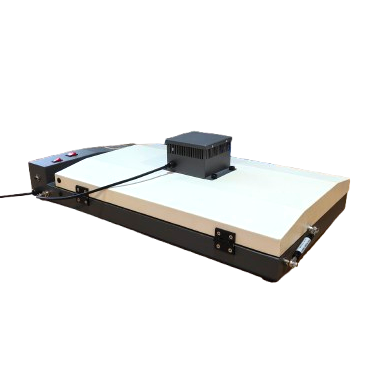
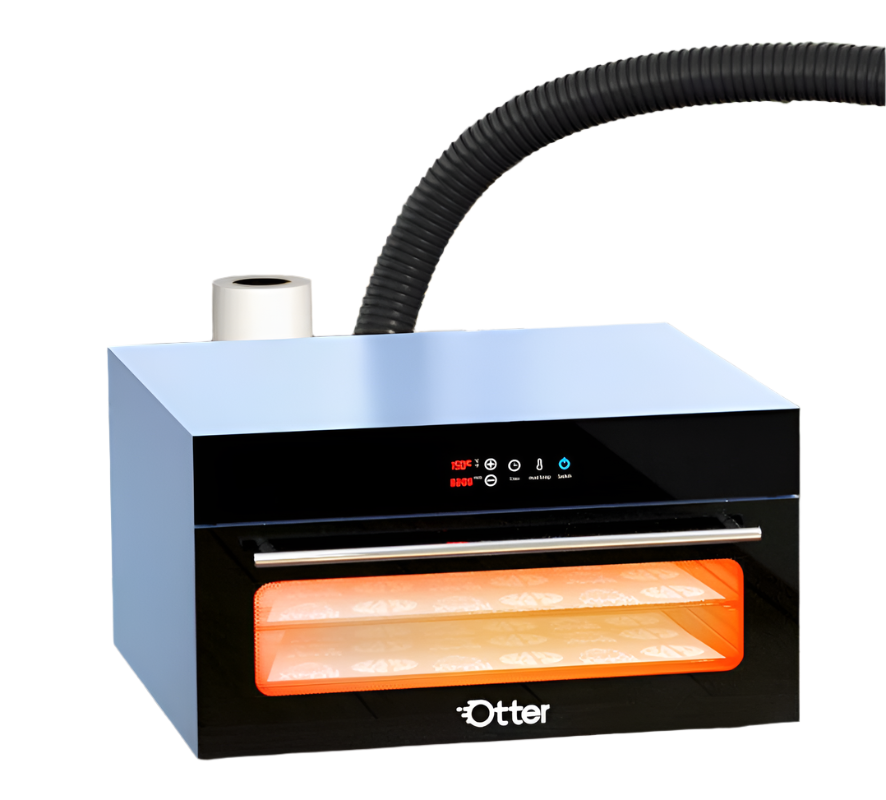
A DTF sheet oven cures the powder adhesive applied to direct-to-film transfers by heating the sheet to a precise temperature range, typically between 160°C and 170°C (320°F to 340°F). This curing process melts the adhesive powder evenly across the printed design, creating a tacky surface that bonds securely to fabric during the heat press stage. Without proper curing, the adhesive may not adhere correctly, resulting in weak transfers that crack or peel after washing. DTF ovens provide consistent, repeatable results compared to handheld heat guns, which can create hot spots or under-cured areas.

How does a DTF oven differ from a heat press?

A DTF oven cures the adhesive powder on the printed transfer film before pressing, while a heat press applies pressure and heat to bond the cured transfer onto the garment. The oven operates at lower temperatures (160°C–170°C) with no pressure, allowing the powder to melt into a uniform layer without sticking to heating elements. The heat press then operates at higher temperatures (160°C–180°C for most fabrics) with sustained pressure to permanently fuse the transfer to the textile. Both tools serve distinct, non-interchangeable roles in the DTF workflow - attempting to cure powder in a heat press will damage equipment and ruin transfers.

What temperature should a DTF oven run at?

Most DTF powder adhesives cure optimally between 160°C and 170°C (320°F to 340°F), though specific formulations may require slight adjustments within this range. Running below 160°C risks incomplete curing, leaving powder partially melted and prone to flaking during the press stage. Exceeding 170°C can scorch the film base or cause adhesive discoloration, particularly on delicate or transparent films. Always verify the manufacturer's recommended curing temperature for your specific powder brand, and use an infrared thermometer to confirm your oven maintains consistent heat across the belt or heating surface rather than relying solely on the control panel readout.

Can I use a regular convection oven instead of a DTF oven?

Standard household or commercial convection ovens are not recommended for DTF curing due to poor temperature precision, uneven heat distribution, and contamination risks. Home ovens cycle on and off to maintain temperature, creating fluctuations that result in inconsistent curing - some areas may remain tacky while others overheat. Additionally, adhesive powder releases fumes during curing that can contaminate food preparation surfaces and leave residue on oven walls. Purpose-built DTF ovens feature precise digital controls, continuous heating elements, and ventilation systems designed specifically for adhesive curing. For production environments, the reliability and safety of dedicated DTF equipment far outweighs the initial cost savings of repurposing kitchen appliances.

How long does it take to cure a DTF transfer in an oven?

Curing time depends on oven type and transfer size. Conveyor-style DTF ovens typically cure sheets in 2 to 4 minutes as the belt moves the transfer through a heated chamber at a controlled speed. Countertop or chamber-style ovens may require 3 to 5 minutes of stationary heating, depending on the unit's wattage and how quickly it reaches target temperature. Thicker powder applications or larger sheet sizes may need slightly longer exposure to ensure complete curing across the entire design. The transfer is ready when the powder surface appears uniformly melted and glossy with no visible dry powder granules - under-cured transfers will still show a matte, grainy texture.

What size DTF oven do I need for my shop?

Match oven size to your typical transfer dimensions and production volume. Countertop ovens with 12-inch to 16-inch heating surfaces suit smaller shops producing individual custom orders or testing new designs, handling standard letter-sized DTF sheets with ease. Mid-sized conveyor ovens with 16-inch to 24-inch belts accommodate most commercial DTF printers and support moderate production runs without bottlenecking workflow. High-volume operations printing gang sheets or continuous rolls should consider 24-inch-plus industrial conveyor systems with adjustable belt speeds and multi-zone heating. Calculate your peak hourly output requirements - if you regularly print more transfers than your oven can cure in that timeframe, production will stall regardless of printer speed.

Do DTF ovens require special ventilation?

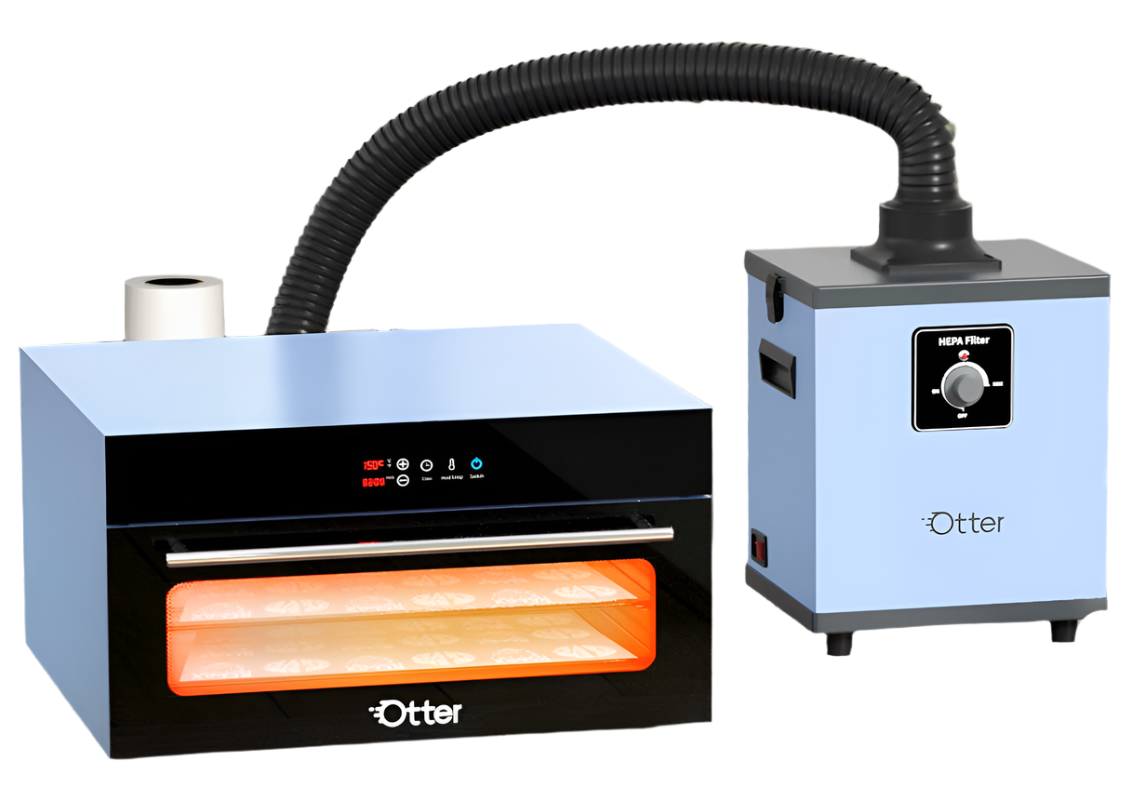
Proper ventilation is essential for DTF curing operations, as heating adhesive powder releases volatile organic compounds and particulates that can irritate respiratory systems and accumulate in workspace air. Many DTF ovens include built-in exhaust ports designed to connect to standard ducting systems that vent fumes outdoors or through filtration units. In spaces without dedicated ventilation infrastructure, position the oven near windows or doors with strong airflow, and consider portable fume extractors with activated carbon filters rated for polymer processing. Never operate a DTF oven in fully enclosed rooms without air exchange - prolonged exposure to curing fumes poses health risks and can trigger building air quality alarms in commercial facilities.

Can a DTF oven handle other curing tasks besides DTF transfers?

While DTF ovens are optimized for adhesive powder curing, some models can accommodate related tasks like pre-curing screen printing plastisol inks, drying water-based inks, or setting sublimation dye on certain substrates - provided temperatures and exposure times align with those materials' requirements. However, cross-contamination becomes a concern when switching between different processes, as adhesive residue or ink particles can transfer onto subsequent sheets. Dedicated equipment for each process eliminates contamination risks and maintains optimal settings for each application. If budget constraints require multi-use equipment, thoroughly clean heating elements and belts between different materials, and document temperature profiles to avoid damaging transfers by inadvertently using incorrect settings.

What maintenance does a DTF oven require?

Regular maintenance extends oven lifespan and ensures consistent curing results. Clean the heating surface or conveyor belt weekly with isopropyl alcohol to remove adhesive residue that can create hot spots or stick to subsequent transfers. Inspect heating elements monthly for discoloration or damage, and verify temperature accuracy with an infrared thermometer against the control panel display - calibration drift over time can cause under-curing issues. For conveyor models, check belt tension and tracking quarterly to prevent misalignment that creates uneven curing. Replace worn belts immediately, as tears or fraying can catch on transfers and damage designs. Keep exhaust ports and filters clear of powder buildup to maintain proper ventilation and prevent overheating.

How much does a DTF sheet oven cost?

Entry-level countertop DTF ovens suitable for hobbyist or startup operations range from $300 to $800, offering basic temperature controls and manual operation for small-format sheets. Mid-range conveyor ovens with digital temperature displays, adjustable belt speeds, and 16-inch to 24-inch curing widths typically cost between $1,200 and $3,500, balancing affordability with production capacity for growing shops. Industrial conveyor systems with multi-zone heating, automated controls, and 24-inch-plus belts start around $4,000 and can exceed $8,000 for high-throughput models with advanced monitoring features. When budgeting, factor in installation costs for ventilation systems and electrical requirements - some industrial units require 220V circuits that may need professional electrician installation in facilities with standard 110V infrastructure.
Drawer Title
Similar Products