
















Skip to content
en
CAD

Bloom Your Business Into Profit

Laser Papers

Laser printer papers for effortless creativity

Turn everyday ideas into professional transfers with laser printer papers that balance speed, clarity, and long-lasting performance.

The laser printer papers collection is built for creators and businesses that need versatility without sacrificing quality. These papers are designed to handle detailed graphics, bold colors, and complex designs while ensuring smooth toner coverage. Perfect for apparel decoration, hard goods, and specialty projects, they give you the freedom to explore new markets and meet customer demand with confidence. Their reliable structure reduces misprints and wasted materials, helping you save time and resources. From quick one-off designs to larger production runs, laser printer papers adapt easily to different workflows. They also provide excellent durability, so finished products maintain their appeal even after regular use and washing. Stocked locally across North America and backed by Joto’s expert guidance, this collection gives you the tools to create transfers that impress and inspire.

Frequently Asked Questions:

What are laser transfer papers and what decoration applications do they support?

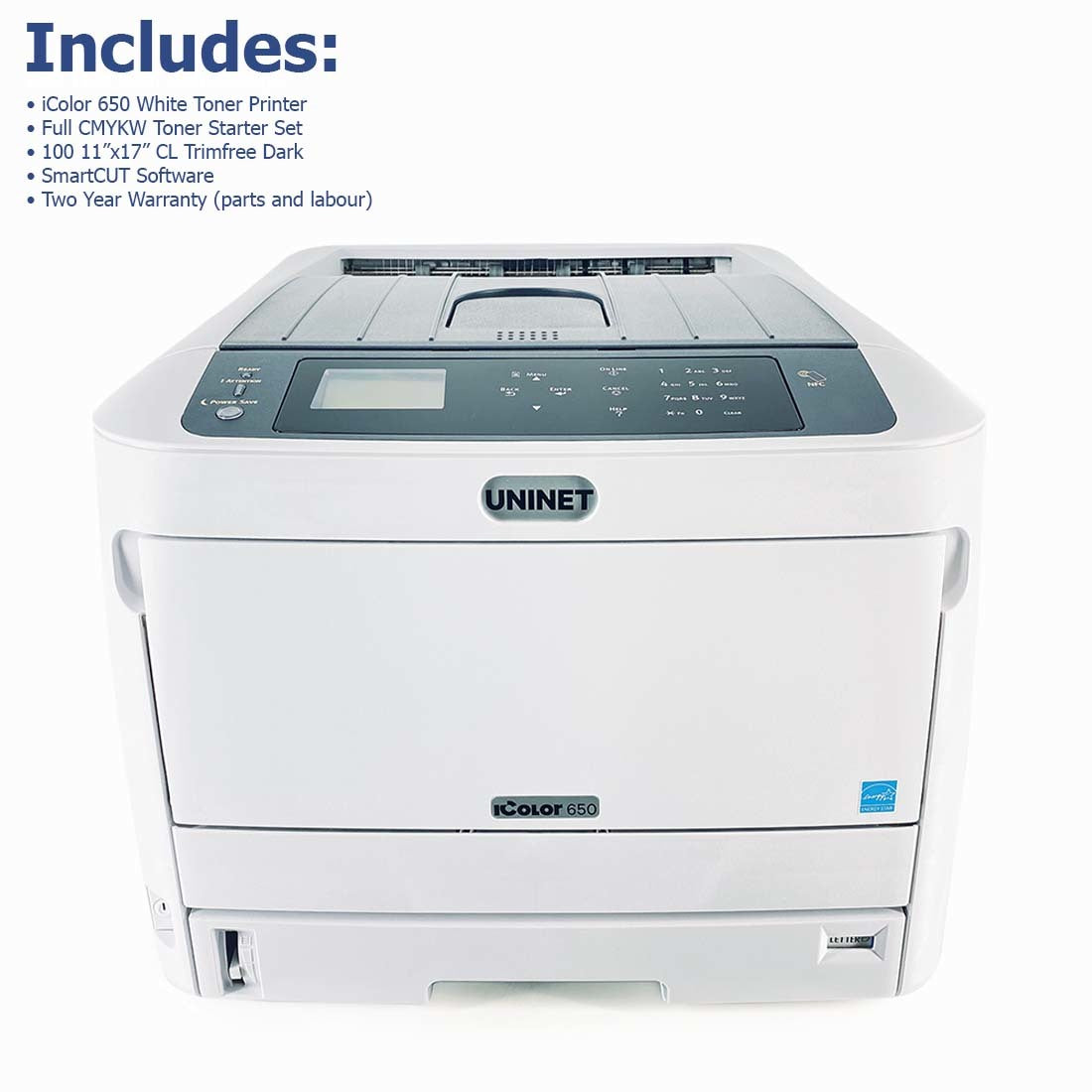
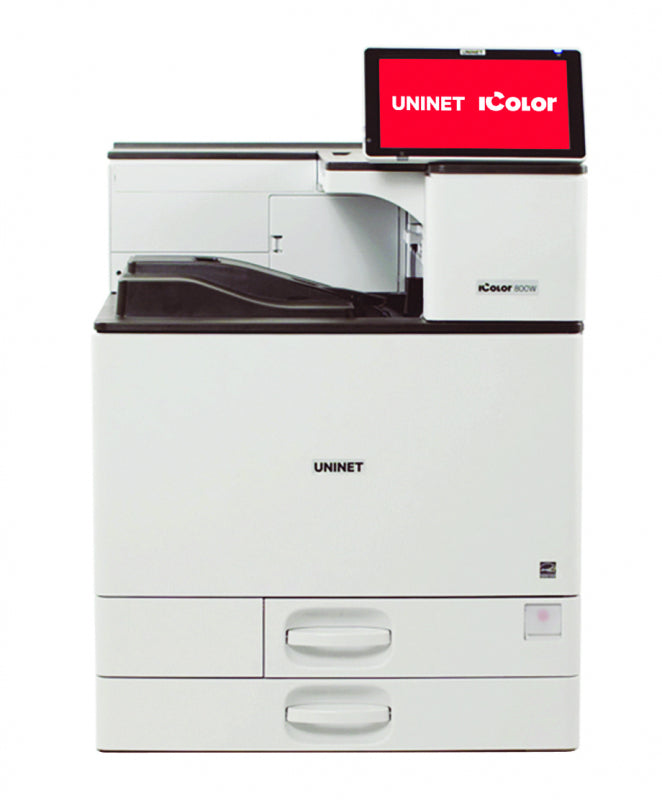
Laser transfer papers are specially coated media designed to work with white toner laser printers (such as the Uninet iColor series) for transferring full-colour designs with a white underbase onto fabrics, hard goods, and dark substrates. They serve as the carrier that holds the printed toner layers until pressed onto the target substrate, enabling decoration of cotton, polyester, dark garments, ceramics, and other surfaces that cannot be decorated with sublimation.

What heat press temperature and dwell time settings are specified for iColor laser transfer papers on cotton?

Uninet iColor transfer papers on 100% cotton typically require 320–350°F (160–177°C) for 15–20 seconds at firm pressure. Peel temperature (hot or cold) is specified on each paper type — never substitute one peel method for another, as peeling cold-peel paper while warm causes the transfer to lift off the garment with the carrier. Verify settings with the specific iColor paper product data sheet rather than relying on general laser paper guidelines.

Is laser transfer paper compatible with standard laser printers, or does it require a white toner printer?

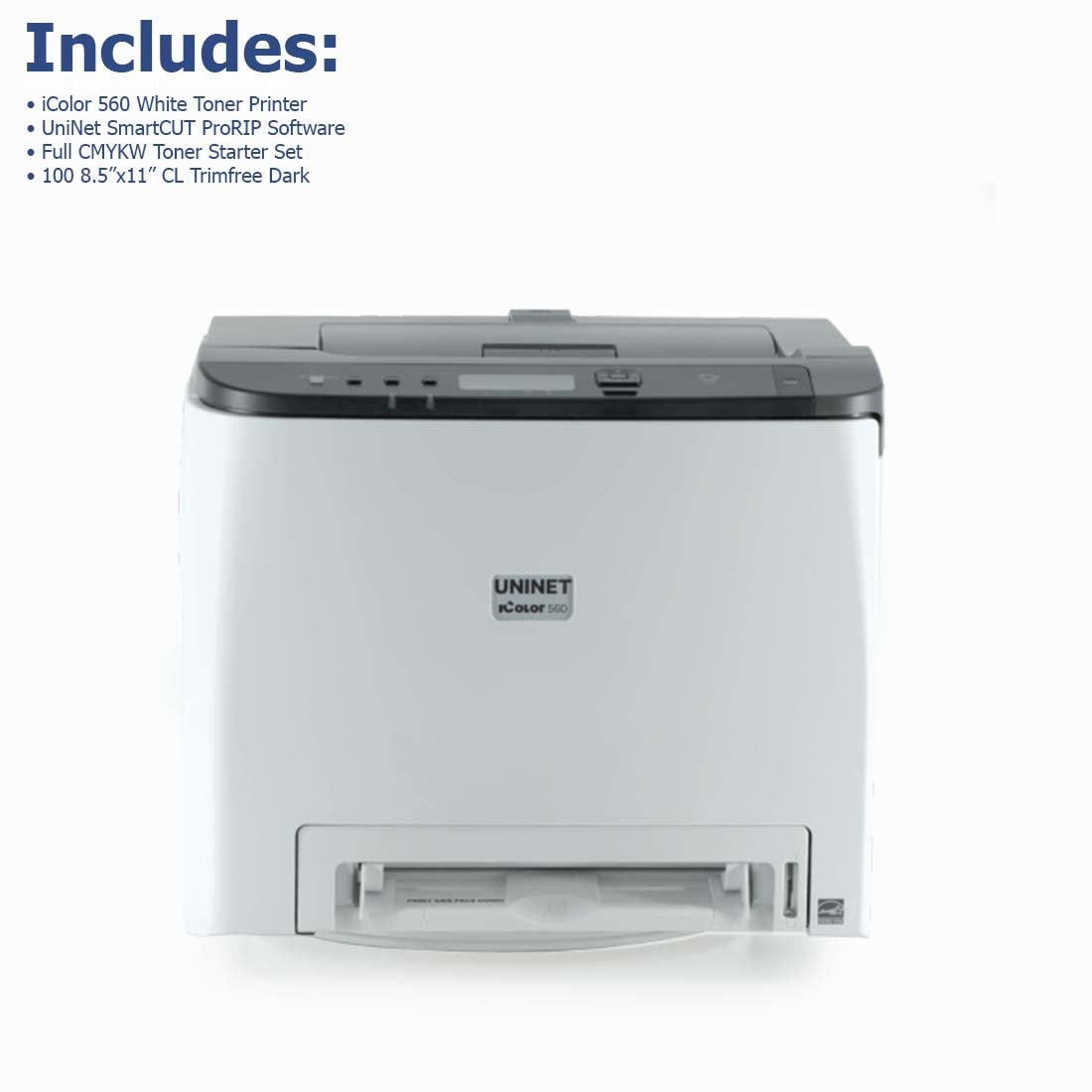
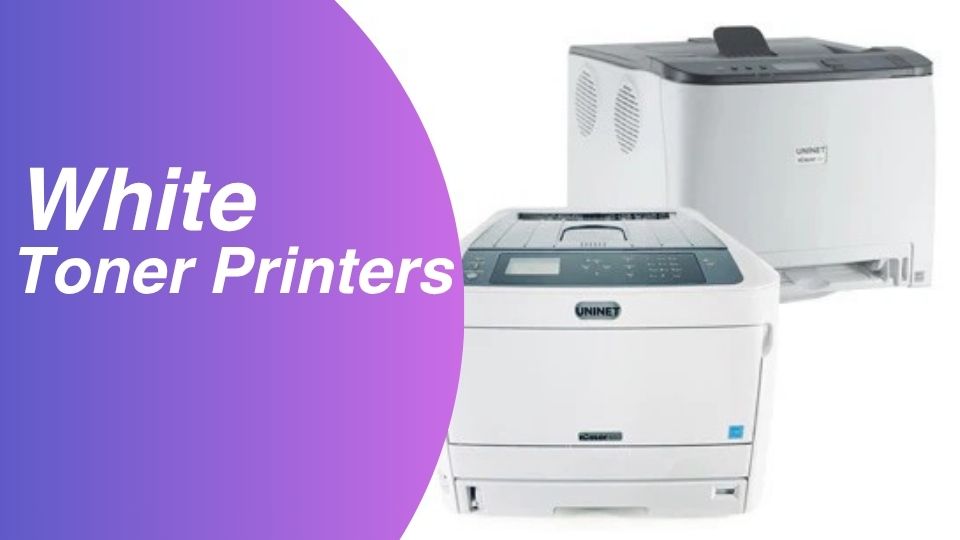
Laser transfer papers designed for white toner workflows require a white toner printer (iColor 560, 650, or similar) to produce opaque transfers on dark substrates — standard CMYK laser printers cannot print the white layer essential to these papers' function. Some laser transfer papers are formulated for standard CMYK laser printers for light-fabric applications, but these produce semi-transparent results and are only suitable for white or very light coloured substrates.

Why is my laser transfer paper wrinkling or jamming inside the printer during the print run?

Paper wrinkling and jamming are caused by using media that exceeds the printer's specified weight range, feeding from the wrong tray, or paper that has absorbed moisture and lost its flat profile. Always feed specialty laser transfer paper from the manual bypass tray rather than the standard paper cassette. Store paper flat in its original sealed packaging — even a few hours of exposure to high humidity causes curl that leads to feeding problems. Verify the paper weight is within the printer's supported range before loading.

How many wash cycles do white toner laser paper transfers withstand on polyester versus cotton garments?

On 100% cotton, quality iColor transfer paper designs typically withstand 25–40 wash cycles before visible cracking or edge lifting. On polyester, durability is similar to cotton at 20–35 cycles, but polyester's smooth fibre surface can cause adhesion to be slightly lower depending on the paper type. Washing inside out in cold water and air drying or low-heat tumble drying extend transfer life on both fibre types significantly compared to hot-water machine washing with high-heat drying.

What is the cost-per-sheet comparison between iColor transfer papers and DTF film for a shop producing 50 dark shirt transfers per week?

iColor letter-size transfer papers typically cost $1.20–$2.50 per sheet including toner cost. DTF at the same size costs $0.40–$0.90 per transfer including ink, film, and powder. DTF has a lower material cost per transfer, but iColor requires no powder station or tunnel dryer — workflow simplicity and lower equipment investment can make iColor more cost-effective for shops under 100 pieces per week. Beyond 100 pieces per week, DTF's lower per-unit material cost provides a meaningful margin advantage.

What is the trick to preventing the carrier sheet from tearing during cold-peel removal on laser transfer paper?

Cold-peel carrier tearing usually occurs when the paper is peeled too quickly or at too sharp an angle. Allow the full recommended cooling time (15–25 seconds minimum) before touching the carrier. Peel at a low angle — nearly parallel to the garment surface — pulling slowly and continuously rather than in a sharp upward motion. If the carrier tears mid-peel, stop completely, allow the transfer to cool another 10 seconds, and resume from the tear point at a lower angle.

What is the difference between UltraBright and Select iColor transfer papers, and which performs better on dark fabrics?

iColor UltraBright paper is formulated for maximum colour vibrancy and opacity on dark fabrics, with a thicker toner-reception layer that produces richer colour saturation. Select paper is a standard transfer paper suitable for light and medium-toned fabrics and hard goods where maximum opacity is not critical. For dark and black cotton garments where print brightness is essential, UltraBright is the correct choice. For light shirts, ceramics, and mixed substrate workflows, Select offers equivalent quality at a lower price point.

Are laser transfer papers made from materials that comply with Canadian environmental regulations for commercial printing media?

Laser transfer papers used in white toner workflows are coated paper or polymer-based products that do not contain regulated hazardous substances under normal use conditions. They are not recyclable through standard paper streams due to their polymer coatings — dispose of used transfer carriers in general waste. Check with the paper manufacturer for any specific disposal guidelines if you are processing large volumes that might trigger commercial waste regulations in your province.

How should laser transfer papers be stored to maintain flat profile and prevent humidity-related feeding problems?

Store laser transfer papers sealed in their original packaging with any included desiccant in a climate-controlled room at 65–75°F (18–24°C) and below 50% relative humidity. Never store opened packages near an air conditioner vent, humidifier, or exterior wall in a Canadian winter — condensation and temperature swings are the leading causes of paper curl and feed problems. If you open a partial package, reseal it immediately with tape or transfer remaining sheets to a resealable plastic bag with a silica gel desiccant packet.

Drawer Title
Similar Products